

Mushrooms are more than simple culinary ingredients. They are functional foods packed with essential nutrients, antioxidants, and unique bioactive compounds that support overall health. Used for centuries in traditional medicine and now widely studied in modern nutrition science, mushrooms are linked to stronger immunity, better brain function, heart protection, and metabolic balance. Their low-calorie, high-nutrient profile makes them one of the most powerful natural foods for building long-term wellness.
Rich Nutritional Profile of Mushrooms
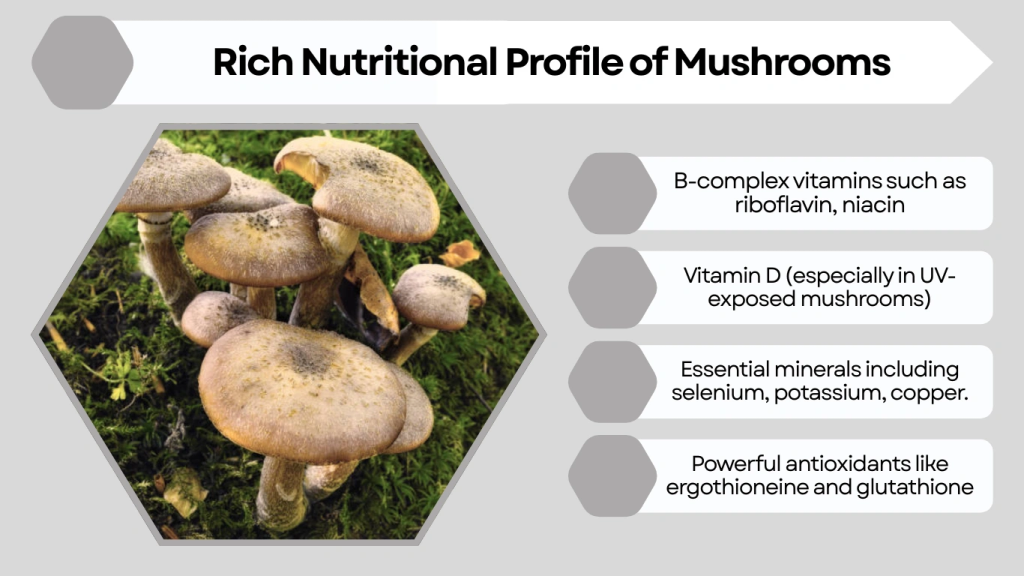
Mushrooms stand out among vegetables because they offer a rare mix of vitamins, minerals, antioxidants, and plant-based compounds that support almost every system in the body. They are naturally low in fat and calories but rich in micronutrients that many modern diets lack.
Key nutrients found in mushrooms
- B-complex vitamins such as riboflavin, niacin, and pantothenic acid that support energy metabolism and brain function
- Vitamin D (especially in UV-exposed mushrooms) for bone and immune health
- Essential minerals including selenium, potassium, copper, and iron
- Powerful antioxidants like ergothioneine and glutathione
- Dietary fiber and beta-glucans that support digestion and immunity
This unique nutritional combination is why mushrooms are often described as both food and natural medicine.
Boost Immune System Naturally
One of the most researched health benefits of mushrooms is their ability to strengthen the immune system. Many edible and medicinal mushrooms contain beta-glucans and polysaccharides that activate immune cells such as macrophages, natural killer cells, and T-cells.
Regular mushroom consumption may help the body respond more effectively to infections, viruses, and environmental stressors. Instead of overstimulating immunity, mushrooms work by balancing immune activity, making them helpful for both immune defense and immune regulation. This is why varieties like shiitake, maitake, turkey tail, and reishi are commonly associated with immune support.
Powerful Antioxidant Support

Oxidative stress is one of the major contributors to aging and chronic disease. Mushrooms are among the richest dietary sources of two major antioxidants: ergothioneine and glutathione.
How mushrooms fight oxidative stress
These compounds help neutralize free radicals before they damage cells, proteins, and DNA. Selenium found in mushrooms also supports antioxidant enzyme systems inside the body. Together, these substances protect organs such as the brain, heart, and liver from long-term oxidative damage. Consistent antioxidant intake from mushrooms may support slower cellular aging and better resistance to inflammation-related diseases.
Support Brain Health and Memory
Certain mushrooms, especially lion’s mane, have gained global attention for their potential role in brain health. Research suggests that compounds in mushrooms may stimulate nerve growth factor (NGF), a protein essential for the growth, repair, and survival of neurons.
Mushrooms also supply B vitamins and antioxidants that support neurotransmitter function and protect brain tissue from oxidative damage. Long-term mushroom consumption has been linked with better cognitive performance, reduced risk of mild cognitive decline, and improved focus. These properties make mushrooms valuable foods for both mental performance and age-related brain protection.
Improve Heart Health
Heart disease remains one of the leading global health concerns, and mushrooms provide several protective benefits for the cardiovascular system.
Cardiovascular benefits of mushrooms
Mushrooms help regulate cholesterol levels by providing fiber and compounds that reduce LDL oxidation. Their high potassium content supports healthy blood pressure, while antioxidants lower vascular inflammation. Some mushrooms also help improve blood vessel flexibility, supporting smoother circulation and reduced strain on the heart.
Together, these effects make mushrooms useful for maintaining healthy cholesterol balance, controlling hypertension, and lowering long-term cardiovascular risk.
Help Regulate Blood Sugar Levels

Mushrooms are naturally low in carbohydrates and have a very low glycemic impact, making them suitable for people managing blood sugar levels. Their fiber content slows glucose absorption, while certain compounds support insulin sensitivity.
Studies suggest that mushrooms may help stabilize post-meal blood sugar spikes and improve metabolic response. This makes them beneficial for people with insulin resistance, prediabetes, or type 2 diabetes. Including mushrooms regularly in meals may support better glucose control while adding volume and nutrition without excess calories.
Promote Gut Health and Digestion
Healthy digestion is closely linked to overall immunity, mood, and metabolic health. Mushrooms act as prebiotic foods, meaning they feed beneficial gut bacteria rather than harmful microbes.
Their polysaccharides and fibers encourage the growth of healthy intestinal flora, improve bowel regularity, and support nutrient absorption. A balanced gut microbiome supported by mushrooms may help reduce digestive discomfort, strengthen the intestinal barrier, and indirectly improve immune and mental health.
Support Weight Management

Mushrooms are an excellent food choice for people trying to manage or reduce body weight. They are very low in calories yet high in volume, fiber, and water content, which helps promote fullness without overeating. Replacing higher-calorie ingredients like meat or refined carbohydrates with mushrooms can significantly reduce total calorie intake while still providing satisfaction.
In addition, mushrooms contain compounds that support metabolic health and fat regulation. Their fiber slows digestion, helping control appetite and reduce frequent snacking. Over time, regular mushroom consumption may support healthier body composition and long-term weight control.
Strengthen Bones and Vitamin D Supply
Strong bones depend on a steady supply of vitamin D, calcium absorption, and mineral balance. Mushrooms are one of the few natural non-animal sources of vitamin D, especially when exposed to ultraviolet light.
Mushrooms as a natural plant source of vitamin D
Vitamin D from mushrooms helps the body absorb calcium and phosphorus, which are essential for bone density and skeletal strength. This makes mushrooms especially valuable for people with limited sun exposure or those following plant-based diets. Combined with their magnesium, copper, and potassium content, mushrooms support long-term bone and joint health.
Anti-Inflammatory Properties
Chronic inflammation is linked to many conditions, including arthritis, heart disease, digestive disorders, and metabolic syndrome. Mushrooms contain several natural anti-inflammatory compounds that help regulate immune signals and reduce inflammatory stress in the body.
Regular intake may help lower markers of inflammation, support joint comfort, and improve recovery after physical strain. By reducing internal inflammation, mushrooms contribute to better organ function, improved circulation, and overall disease prevention.
Potential Anti-Cancer Benefits

Many medicinal mushrooms have been studied for their potential role in cancer prevention and supportive care. Compounds such as beta-glucans, lectins, and triterpenes may help strengthen immune surveillance and protect cells from abnormal growth.
Research indicates that mushrooms may support the body’s ability to identify and destroy damaged cells, reduce oxidative DNA damage, and slow tumor progression. While mushrooms are not a treatment, their regular inclusion in a balanced diet may contribute to long-term cellular protection.
Improve Energy and Reduce Fatigue
Mushrooms naturally support energy production by supplying B vitamins that help convert food into usable fuel. Iron, copper, and potassium found in mushrooms assist oxygen transport, muscle function, and nerve signaling.
Unlike stimulants, mushrooms support sustained energy rather than short-term spikes. Many people report improved vitality and reduced fatigue when mushrooms are part of daily meals. Their role in adrenal support and mitochondrial health further explains their traditional reputation as endurance-supporting foods.
Support Skin and Anti-Aging Health
Healthy skin reflects internal nutrition. Mushrooms support skin structure and appearance through antioxidants, minerals, and anti-inflammatory compounds. Ergothioneine and selenium protect skin cells from environmental damage, including pollution and UV-related oxidative stress.
Mushrooms also support collagen protection and cellular hydration. Over time, regular intake may help improve skin elasticity, reduce premature aging signs, and support a clearer, healthier complexion from within.
FAQs
Are mushrooms really good for daily health?
Yes, mushrooms are excellent for daily consumption because they are low in calories but rich in vitamins, minerals, antioxidants, and bioactive compounds. Regular intake supports immunity, digestion, heart health, and brain function while contributing to balanced nutrition without adding excess fat or sugar.
Which mushrooms are the healthiest to eat?
Common healthy mushrooms include button, cremini, portobello, shiitake, oyster, maitake, and lion’s mane. Each offers unique benefits, from immune and heart support to brain health and metabolic balance. A mixed variety provides the widest range of nutrients and protective compounds.
Can mushrooms boost immunity naturally?
Mushrooms contain beta-glucans and polysaccharides that activate immune cells and support balanced immune responses. Regular consumption may help the body defend against infections, reduce inflammation, and improve overall immune resilience without overstimulating the immune system.
Are mushrooms good for heart and brain health?
Yes, mushrooms support heart health by improving cholesterol balance, reducing inflammation, and supporting blood pressure regulation. They also benefit the brain through antioxidants and nerve-supporting compounds that may help protect memory, focus, and long-term cognitive function.
How often should mushrooms be included in a diet?
Mushrooms can be safely enjoyed several times a week or even daily as part of a balanced diet. Adding them to soups, stir-fries, omelets, salads, or plant-based dishes is an easy way to increase nutrient intake and support overall wellness.