
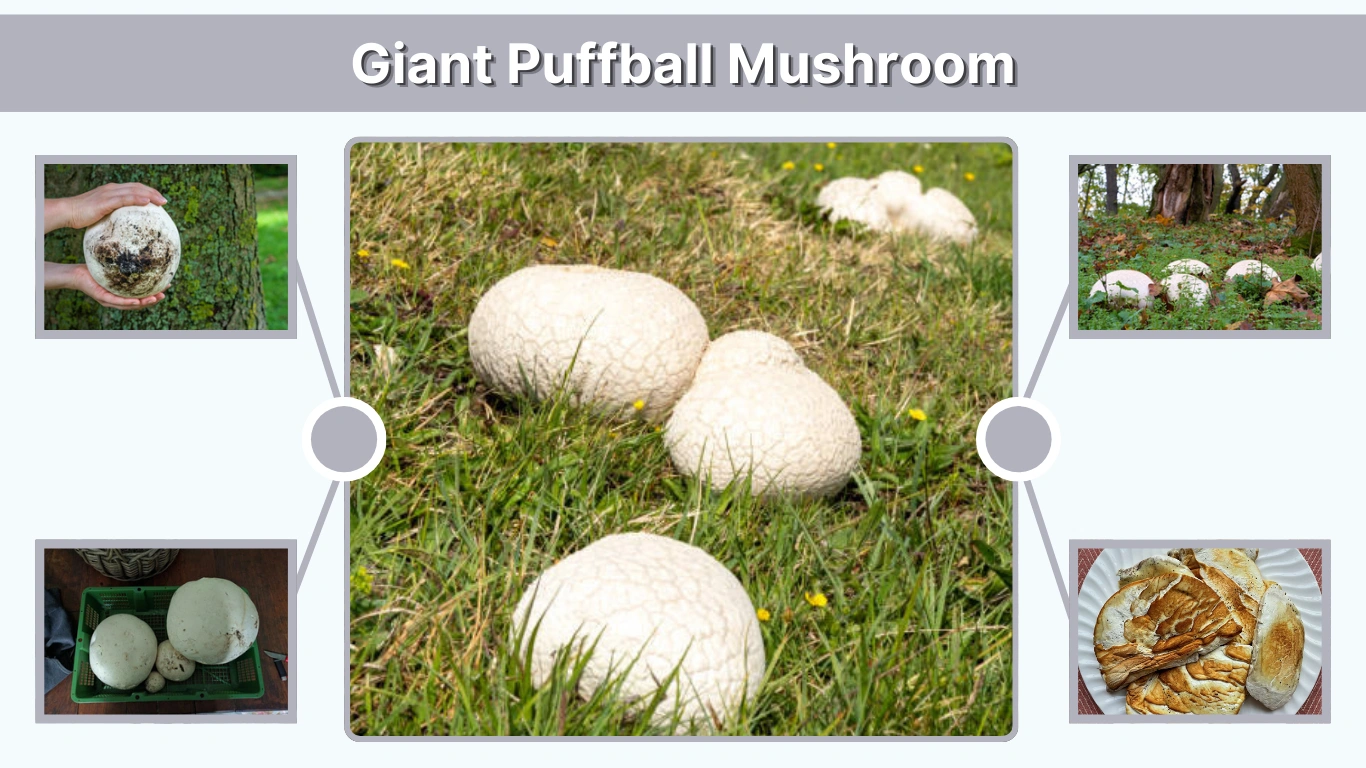
The giant puffball mushroom is one of the most eye-catching wild mushrooms you can find. Unlike typical mushrooms with caps and stems, this unusual fungus grows as a large white ball that can reach the size of a soccer ball—or even bigger. Found in lawns, meadows, and forest edges, it’s prized by foragers for its mild flavor and impressive size. But proper identification is essential before eating. Here’s what you need to know about giant puffball mushroom facts and safe preparation.
What Is a Giant Puffball Mushroom?
The giant puffball mushroom (Calvatia gigantea) is a large, round edible fungus known for its smooth white exterior and solid white interior when young. It belongs to a group of fungi commonly called puffballs, named for the way mature specimens release clouds of spores when disturbed.
Unlike many familiar mushrooms, giant puffballs do not have gills, caps, or visible stems. Instead, they grow as a single globe-like mass sitting directly on the ground. When fresh and edible, the inside is firm and completely white, with a texture similar to a marshmallow or soft cheese.
Their dramatic appearance and substantial size make them popular among both beginner and experienced mushroom hunters.
Giant Puffball Mushroom Facts
They Can Grow to an Incredible Size
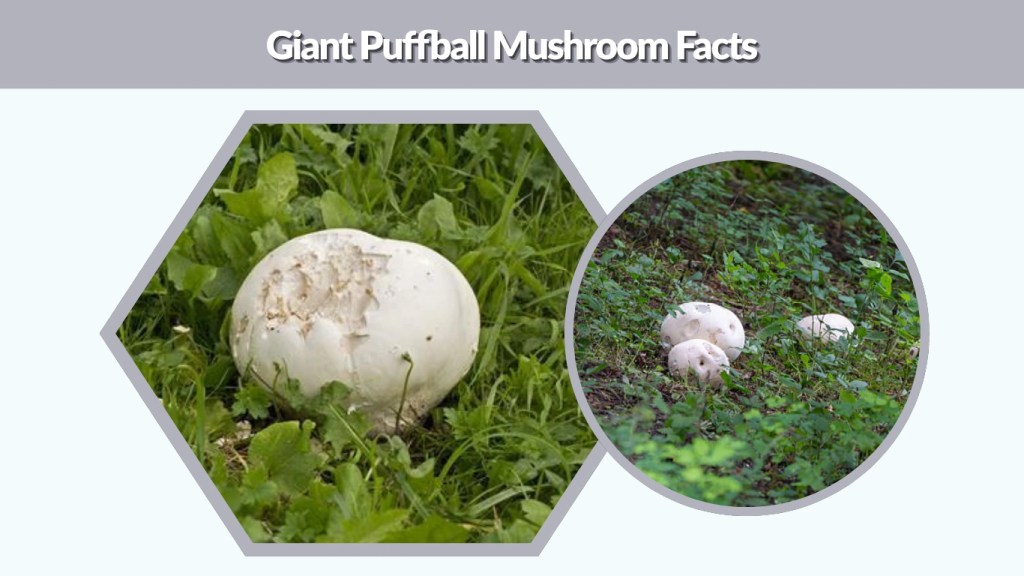
One of the most surprising giant puffball mushroom facts is their size. While many mushrooms grow only a few inches wide, giant puffballs commonly reach 8–20 inches in diameter. Some exceptional specimens have weighed over 20 pounds.
They grow rapidly, especially after heavy rainfall, and can seemingly appear overnight in the right conditions. Because of their fast growth, timing is important when harvesting.
They Have a Unique Structure
Giant puffballs are structurally different from most mushrooms. They have:
- No cap
- No gills
- No visible stem
- A smooth, white outer skin
When sliced open at the edible stage, the interior should be pure white and uniform. There should be no developing shapes, discoloration, or internal structures.
As they mature, the interior begins to change color from white to yellow, then brown. At this stage, they are no longer good for eating.
They Reproduce by Releasing Spores
The name “puffball” comes from the mushroom’s reproductive process. When the mushroom matures, its interior transforms into a mass of brown spores. Eventually, the outer skin develops openings, and when stepped on or struck, the mushroom releases a dramatic puff of spores into the air.
This is nature’s way of spreading the fungus to new locations. However, once the interior turns brown and powdery, the mushroom is past its edible stage.
They Have a Short Edible Window
Timing is critical when harvesting a giant puffball mushroom. The edible window lasts only while the interior is completely white and firm. Even slight yellowing is a sign that the mushroom is aging.
Because they grow quickly, checking them daily during peak season (late summer to early fall) increases your chances of harvesting them at the perfect stage.
Where Do Giant Puffball Mushrooms Grow?
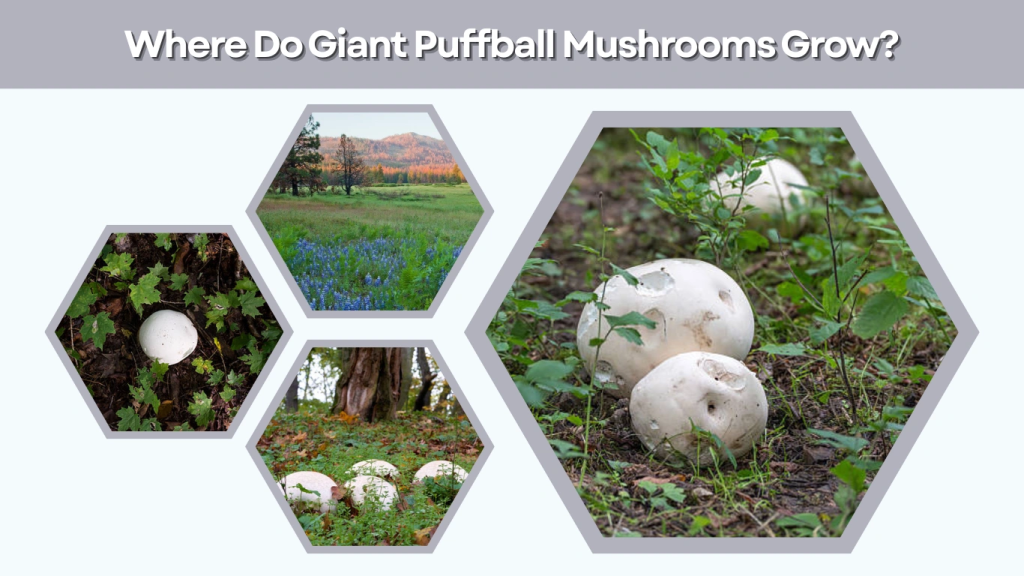
Giant puffballs prefer open, grassy areas and nutrient-rich soil. You’ll often find them in:
- Meadows
- Lawns
- Pastures
- Forest clearings
- Along woodland edges
They are commonly found throughout North America and Europe and tend to appear from late summer through early fall.
Moisture plays a major role in their growth. After steady rain followed by warm weather, puffballs may emerge in clusters or scattered individually across open ground.
Unlike some mushrooms that grow directly from wood, giant puffballs grow from the soil. If you find one, it’s worth scanning the surrounding area—there may be more nearby.
How to Identify a Giant Puffball Mushroom Safely
Correct identification is essential before eating any wild mushroom. While giant puffballs are generally easy to recognize, it’s important to follow a few safety steps.
Key Identification Features
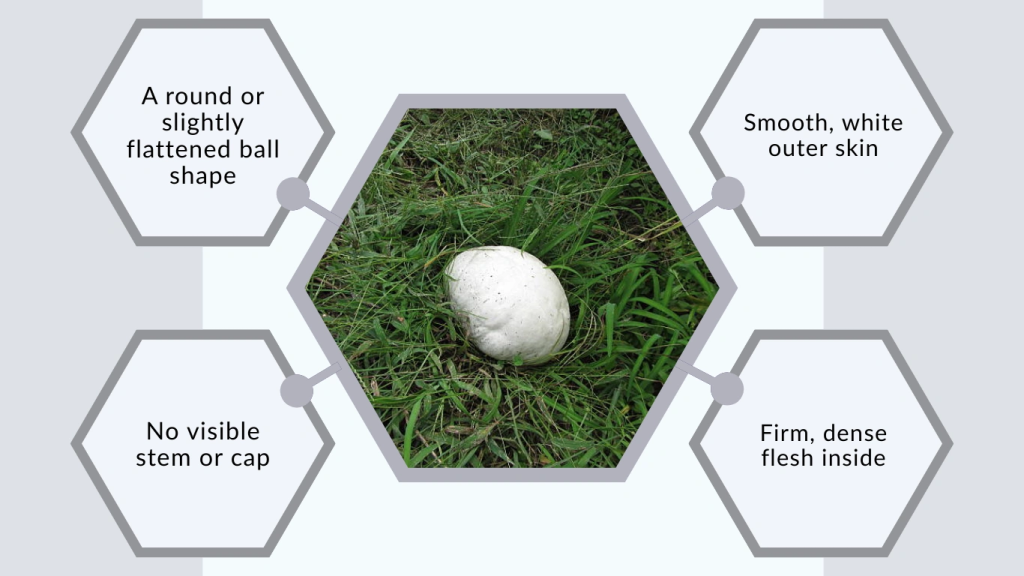
A true giant puffball mushroom should have:
- A round or slightly flattened ball shape
- Smooth, white outer skin
- No visible stem or cap
- Firm, dense flesh inside
- Completely solid white interior when cut open
The cross-section test is the most important identification method. Always slice the mushroom in half from top to bottom. The inside must be pure white and uniform, with no developing gills or shapes.
If you see any outline of a mushroom cap forming inside, discard it immediately.
Dangerous Lookalikes to Avoid
While giant puffballs are distinctive, there are a few potential lookalikes:
- Earthballs: These are smaller and have a dark purple or black interior when cut open.
- Immature Amanita mushrooms: When young, some toxic Amanitas can resemble small puffballs. However, cutting them open reveals a developing mushroom shape inside.
This is why slicing every puffball in half is a non-negotiable safety rule.
Safety Tips for First-Time Foragers
If you are new to foraging:
- Harvest only mushrooms that are completely white inside.
- Avoid specimens growing near roads or polluted areas.
- When unsure, consult a local expert or mushroom identification group.
When properly identified, the giant puffball mushroom is considered safe and delicious to eat.
What Does a Giant Puffball Mushroom Taste Like?
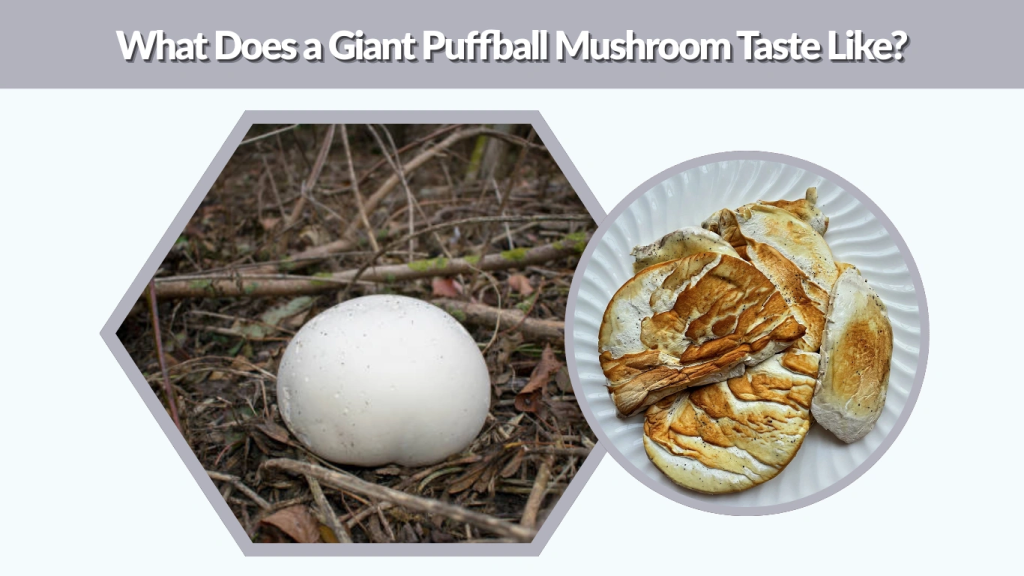
The giant puffball mushroom has a mild, slightly earthy flavor that many people describe as neutral. Unlike stronger wild mushrooms, it doesn’t have an intense or woody taste. This makes it extremely versatile in the kitchen.
Its texture is often compared to tofu or eggplant. When sliced thick, it becomes tender on the inside while developing a golden crust on the outside when cooked properly. Because of its sponge-like structure, it absorbs marinades, butter, herbs, and spices very well.
For cooks who prefer subtle flavors that adapt easily to seasoning, giant puffballs are an excellent ingredient.
How to Prepare a Giant Puffball
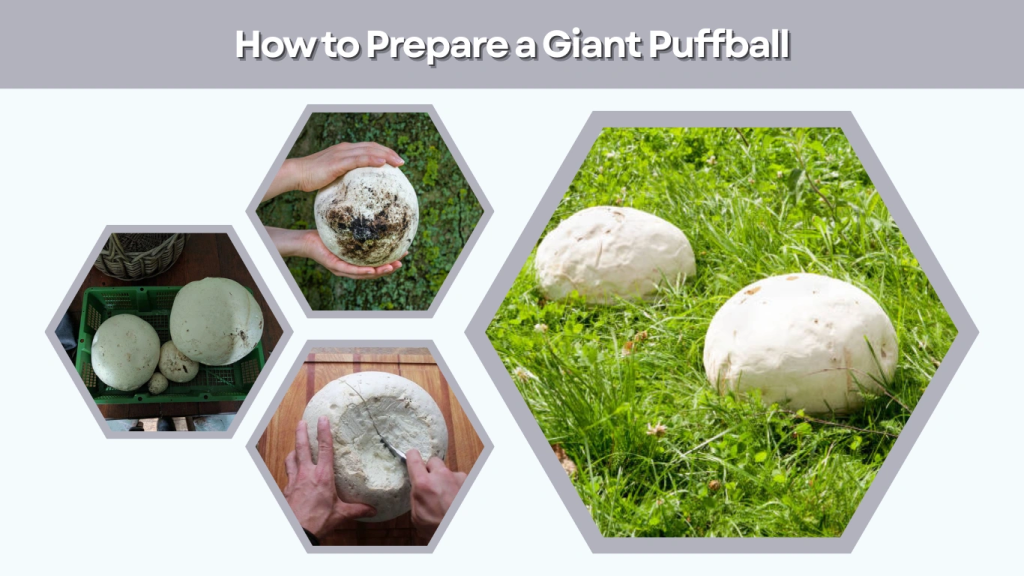
Learning how to prepare a giant puffball properly ensures both safety and flavor. Always begin by confirming that the interior is completely white before cooking.
Cleaning and Prepping
Preparation is simple:
- Wipe off dirt with a damp cloth or soft brush.
- Trim away any tough or damaged outer skin.
- Slice the mushroom into ½–1 inch thick “steaks” or cube it for smaller dishes.
- Inspect the interior again as you cut—discard any discolored portions.
Some larger puffballs may have slightly thicker outer skin, which can be peeled off if it feels rubbery.
Pan-Fried Puffball Steaks
This is one of the easiest and most popular methods.
- Cut thick slices (½–1 inch).
- Heat butter or olive oil in a skillet over medium heat.
- Season with salt and pepper.
- Cook each side until golden brown, about 3–5 minutes per side.
The outside becomes crisp while the inside remains tender. Add garlic, thyme, or rosemary for extra flavor.
Breaded Puffball (Puffball Parmesan Style)
Because of its size and structure, giant puffball makes an excellent meat substitute.
- Dip slices in beaten egg.
- Coat with breadcrumbs and grated Parmesan.
- Bake or shallow fry until crispy.
- Top with marinara sauce and mozzarella if desired.
This method highlights how well the mushroom holds its shape during cooking.
Grilled Giant Puffball
Grilling enhances its mild flavor with smoky notes.
- Slice into thick pieces.
- Lightly brush with oil and herbs.
- Grill over medium heat for several minutes per side.
Be careful not to overcook, as the texture can become watery if exposed to too much heat for too long.
Nutritional Value of Giant Puffball Mushrooms
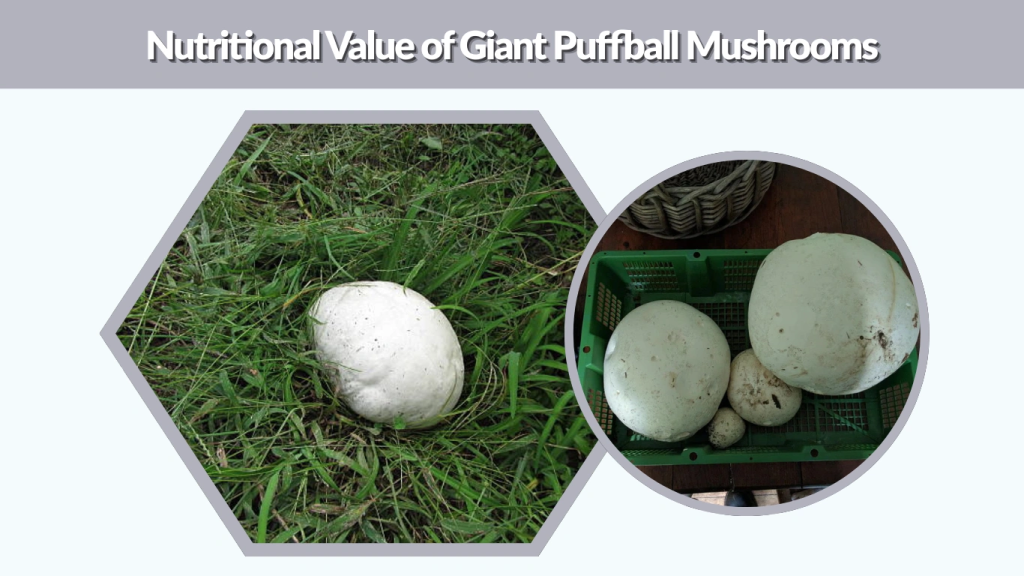
In addition to their culinary appeal, giant puffballs are nutritionally beneficial.
They are:
- Low in calories
- Naturally fat-free
- A source of dietary fiber
- Rich in antioxidants
- Contain small amounts of protein
Like most mushrooms, they also provide trace minerals and beneficial plant compounds. Their low calorie content makes them a satisfying option for lighter meals.
How to Store Giant Puffball Mushrooms
Because of their high moisture content, giant puffballs do not last long after harvesting.
Short-Term Storage
- Store in the refrigerator.
- Wrap loosely in paper towels to absorb excess moisture.
- Keep in a breathable container rather than sealed plastic.
They typically stay fresh for 2–5 days when properly stored.
Freezing and Preserving
Freezing raw puffball is not recommended, as the texture can become mushy. Instead:
- Lightly cook slices first.
- Allow them to cool completely.
- Freeze in airtight containers.
Some people also dehydrate thin slices, although fresh use offers the best flavor and texture.
Common Mistakes to Avoid
Even experienced cooks can make simple errors when handling giant puffballs.
- Using overripe mushrooms: Any yellow or brown interior means it’s past its edible stage.
- Skipping the cross-section test: Always slice before cooking.
- Not drying slices before frying: Excess moisture prevents browning.
- Overcrowding the pan: This causes steaming instead of crisping.
Proper preparation ensures the best flavor and safest experience.
FAQs
Are giant puffball mushrooms safe to eat?
Yes, giant puffballs are safe to eat when properly identified and harvested at the correct stage. The interior must be completely white and firm. Always cut them open before cooking to confirm there are no developing internal structures or discoloration.
How big can a giant puffball mushroom get?
Giant puffballs commonly grow between 8 and 20 inches in diameter. Exceptional specimens can exceed two feet across and weigh more than 20 pounds under ideal growing conditions.
Can you eat a giant puffball raw?
While technically edible when fresh and white inside, giant puffballs are best eaten cooked. Cooking improves flavor, texture, and digestibility while reducing the risk of stomach discomfort.
What happens if the inside is yellow or brown?
If the interior is yellow, olive, or brown, the mushroom is too mature to eat. At this stage, it is developing spores and may have a bitter taste and unpleasant texture.
How long do giant puffballs last after picking?
Fresh giant puffballs typically last 2–5 days in the refrigerator. For best quality, cook them as soon as possible after harvesting.