

Enoki mushrooms are easily recognized by their long, thin white stems and tiny caps. Popular in Asian cuisine, especially in soups, stir-fries, and hot pots, these mushrooms are not only valued for their mild crunch and delicate flavor but also for their impressive nutritional profile. Low in calories yet rich in essential nutrients, enoki mushrooms are increasingly appreciated as a healthy addition to modern diets. This article explores enoki mushroom nutrition in detail, including calories, macronutrients, vitamins, and minerals, helping you understand why they deserve a place on your plate.
What Are Enoki Mushrooms?
Enoki mushrooms, scientifically known as Flammulina velutipes, are a type of edible mushroom commonly cultivated in East Asia. Commercially grown enoki mushrooms are pale white and slender due to being grown in low-light environments, while wild enoki mushrooms are darker with thicker stems.
They have a mildly sweet taste and a crisp texture, which makes them versatile in cooking. Enoki mushrooms are often added to soups, salads, noodles, and stir-fried dishes. Because they cook quickly and absorb flavors well, they are especially popular in light, health-focused meals.
Enoki Mushroom Nutrition Facts Overview
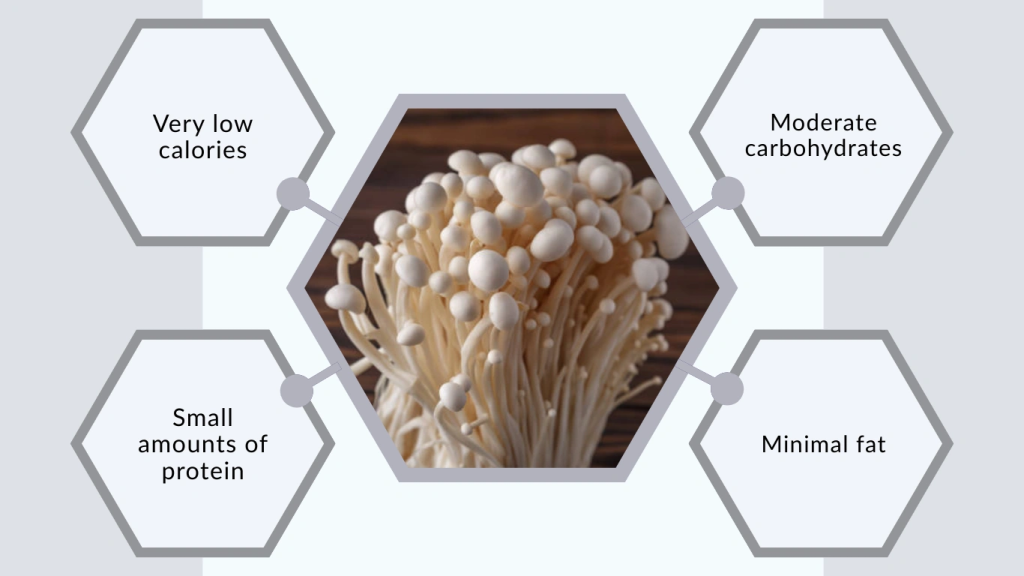
Enoki mushrooms are known for being nutrient-dense despite their low calorie content. They provide a combination of plant-based protein, complex carbohydrates, dietary fiber, vitamins, and essential minerals. This balance makes them suitable for people looking to improve nutrition without adding excess calories.
One of the standout qualities of enoki mushrooms is their high water content, which contributes to their low energy density. At the same time, they contain beneficial bioactive compounds that support overall health.
Enoki Mushroom Nutrition per 100g
Per 100 grams, enoki mushrooms typically provide:
- Very low calories
- Moderate carbohydrates
- Small amounts of protein
- Minimal fat
- A useful amount of dietary fiber
This nutritional profile makes enoki mushrooms ideal for weight-conscious diets while still contributing valuable micronutrients.
Macronutrient Breakdown
From a macronutrient perspective, enoki mushrooms are primarily composed of carbohydrates, most of which come from complex carbs and fiber rather than sugars. Their fat content is negligible, making them naturally cholesterol-free.
Although mushrooms are not high-protein foods, enoki mushrooms still contribute a modest amount of plant-based protein. When combined with other protein sources such as tofu, legumes, or meat, they help support balanced meals.
Vitamins in Enoki Mushrooms
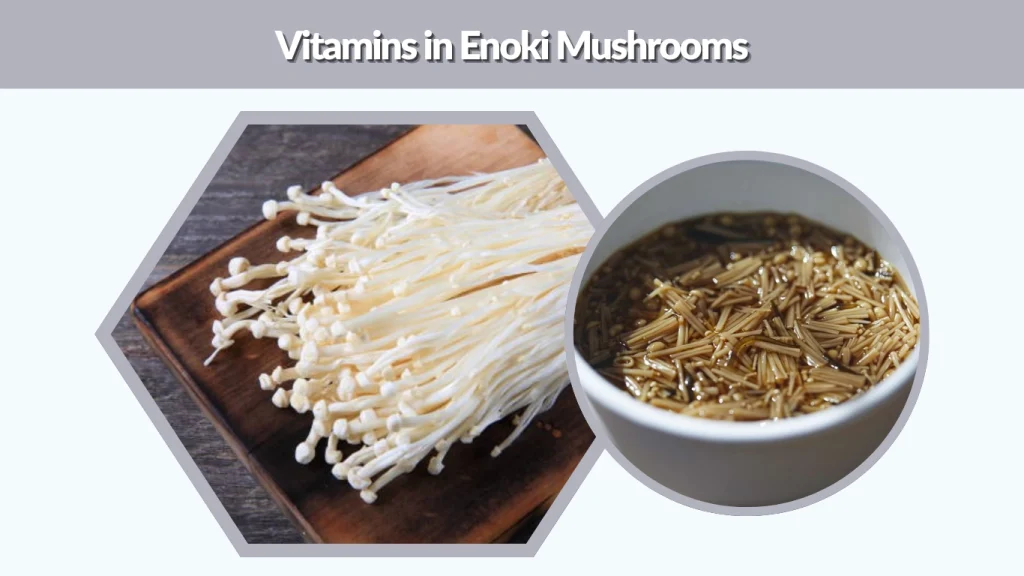
Enoki mushrooms contain several important vitamins, particularly from the B-vitamin group, which play a crucial role in energy production and metabolic health.
B Vitamins and Energy Support
Enoki mushrooms are a natural source of B vitamins such as thiamine (B1), riboflavin (B2), niacin (B3), and folate. These vitamins help convert food into energy, support nervous system function, and assist in red blood cell formation.
For people following plant-based diets, enoki mushrooms can contribute to daily B-vitamin intake when consumed regularly as part of a varied diet.
Antioxidant Vitamins
Enoki mushrooms also provide small amounts of antioxidant-related nutrients, including vitamin D precursors when exposed to light. Antioxidants help protect cells from oxidative stress, which is linked to aging and chronic disease.
Minerals Found in Enoki Mushrooms
In addition to vitamins, enoki mushrooms offer a range of essential minerals that support heart, muscle, and bone health.
Potassium and Heart Health
Potassium is one of the key minerals found in enoki mushrooms. It helps regulate fluid balance, supports normal muscle function, and plays a role in maintaining healthy blood pressure levels. Including potassium-rich foods like enoki mushrooms can support cardiovascular health as part of a balanced diet.
Iron, Copper, and Phosphorus
Enoki mushrooms contain small but meaningful amounts of iron and copper, both of which are involved in oxygen transport and energy metabolism. Phosphorus, another mineral present, supports bone strength and cellular repair.
While enoki mushrooms alone won’t meet daily mineral requirements, they contribute valuable micronutrients when eaten alongside other whole foods.
Health Benefits of Enoki Mushrooms

The nutritional profile of enoki mushrooms translates into several important health benefits. Their combination of fiber, vitamins, minerals, and bioactive compounds supports overall wellness while keeping calorie intake low.
Supports Immune System Function
Enoki mushrooms contain natural polysaccharides, including beta-glucans, which are known for their immune-supporting properties. These compounds help stimulate immune cell activity and may enhance the body’s ability to defend against infections. In addition, the antioxidants found in enoki mushrooms help reduce oxidative stress, further supporting immune health.
Low in Calories and Helpful for Weight Management
One of the biggest nutritional advantages of enoki mushrooms is their extremely low calorie content. They add volume, texture, and satisfaction to meals without significantly increasing energy intake. Their fiber content also promotes fullness, which may help reduce overeating and support weight management goals.
May Support Heart Health
Enoki mushrooms provide potassium and dietary fiber, both of which play a role in cardiovascular health. Potassium helps regulate blood pressure by balancing sodium levels, while fiber may assist in managing cholesterol levels. Including enoki mushrooms in a diet rich in vegetables and whole foods can contribute to better heart health over time.
Supports Digestive Health
The fiber in enoki mushrooms supports normal digestion by promoting regular bowel movements and feeding beneficial gut bacteria. A healthy digestive system is essential for nutrient absorption and overall well-being, making fiber-rich foods like enoki mushrooms a valuable addition to daily meals.
Enoki Mushrooms and Protein Content
Although enoki mushrooms are not a high-protein food, they still contribute a modest amount of plant-based protein. Protein is essential for tissue repair, muscle maintenance, and enzyme production. When enoki mushrooms are combined with protein-rich foods such as tofu, eggs, legumes, or meat, they help create nutritionally balanced dishes without adding excess calories or fat.
Compared to other edible mushrooms, enoki mushrooms offer similar protein levels, making them a useful supporting ingredient in vegetarian and vegan diets.
Enoki Mushroom Carbs, Fiber, and Sugar
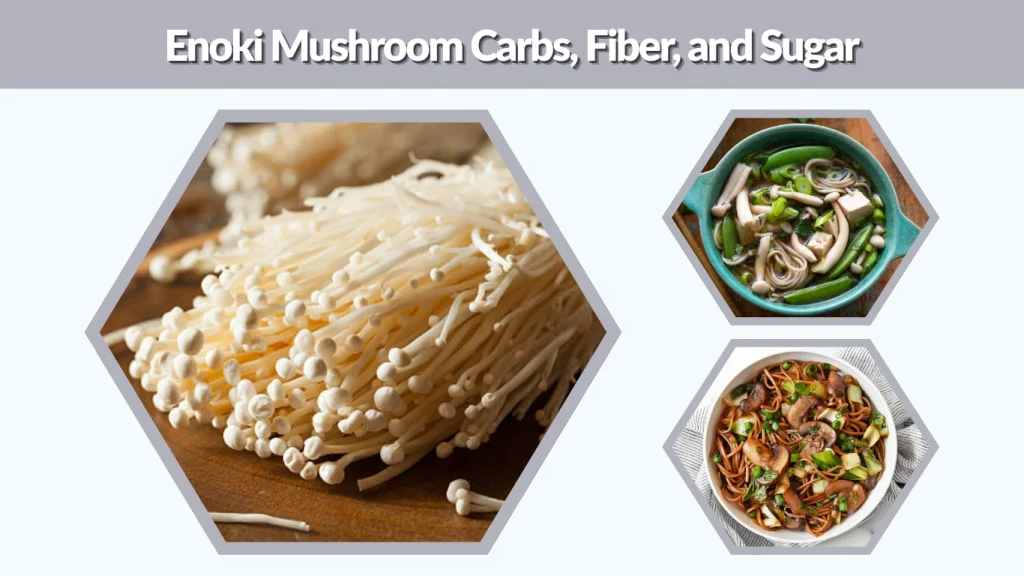
Enoki mushrooms contain carbohydrates primarily in the form of complex carbs and dietary fiber. They are naturally low in sugar, making them suitable for people managing blood sugar levels.
The fiber content helps slow digestion, preventing rapid spikes in blood glucose. This makes enoki mushrooms a smart choice for those following low-sugar or balanced-carbohydrate diets.
Antioxidants and Bioactive Compounds in Enoki Mushrooms
Enoki mushrooms contain a range of bioactive compounds, including polyphenols and polysaccharides, that contribute to their health-promoting properties. These compounds have antioxidant and anti-inflammatory effects, which may help protect cells from damage caused by free radicals.
Ongoing research suggests that some compounds in enoki mushrooms may also support metabolic health and overall longevity when consumed as part of a diverse diet.
Enoki Mushrooms in Popular Diets
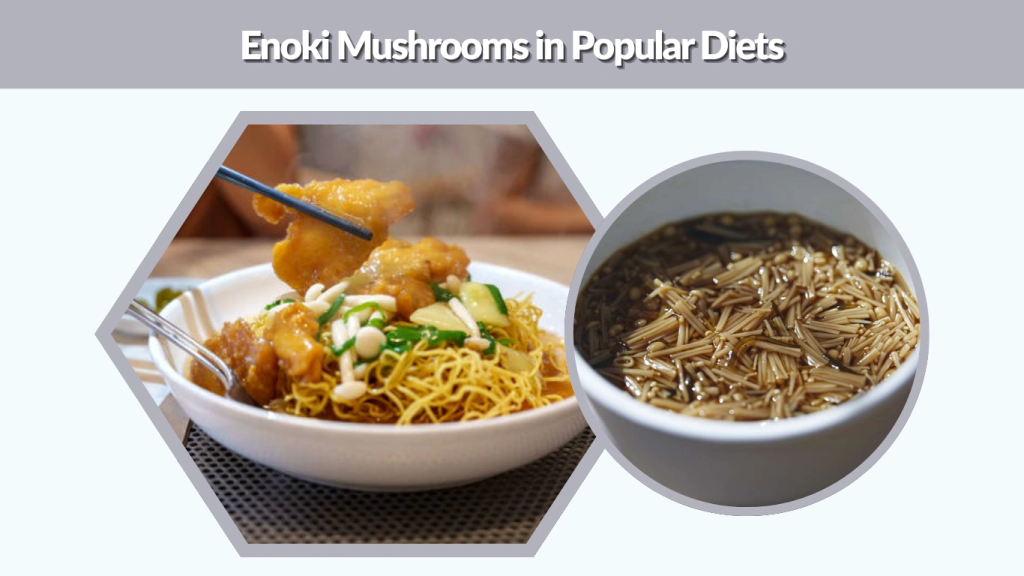
Enoki mushrooms fit well into many modern dietary patterns due to their nutritional profile and versatility.
They are naturally vegan and vegetarian, making them suitable for plant-based diets. Their low calorie and carbohydrate content also make them appealing for weight-loss and calorie-controlled diets. In addition, enoki mushrooms are gluten-free, which makes them safe for individuals with gluten intolerance or celiac disease.
Raw vs Cooked Enoki Mushrooms and Nutrition
Cooking enoki mushrooms slightly reduces certain heat-sensitive nutrients but improves digestibility and food safety. Cooking also helps break down tough fibers, making nutrients easier to absorb.
Light cooking methods such as sautéing, steaming, or adding enoki mushrooms to soups are ideal for preserving nutritional value. For safety reasons, enoki mushrooms should be cooked before consumption rather than eaten raw.
Potential Risks and Safety Considerations
Like all mushrooms, enoki mushrooms should be handled and cooked properly. They have been associated with food safety recalls when eaten raw or improperly stored. Cooking enoki mushrooms thoroughly helps eliminate harmful bacteria and reduces health risks.
People with mushroom allergies should exercise caution, although allergic reactions are rare. Moderation is also important, as excessive consumption of any single food can lead to nutrient imbalance.
FAQs
Are enoki mushrooms healthy to eat every day?
Yes, enoki mushrooms can be eaten regularly as part of a balanced diet. Their low calorie content and nutrient density make them suitable for daily meals when combined with a variety of other foods.
How many calories are in enoki mushrooms?
Enoki mushrooms are very low in calories, with a small serving providing minimal energy while still offering vitamins, minerals, and fiber.
Do enoki mushrooms contain protein?
Yes, enoki mushrooms contain small amounts of plant-based protein. While not a primary protein source, they contribute to overall protein intake when paired with other foods.
Are enoki mushrooms better raw or cooked?
Cooked enoki mushrooms are generally safer and easier to digest than raw ones. Cooking also improves flavor and reduces the risk of foodborne illness.
Conclusion
Enoki mushrooms are a nutritious, low-calorie food that offers a range of health benefits. Rich in vitamins, minerals, fiber, and bioactive compounds, they support immune function, digestion, and heart health while fitting easily into many dietary patterns. Whether added to soups, stir-fries, or salads, enoki mushrooms are a simple and flavorful way to boost the nutritional value of everyday meals.