
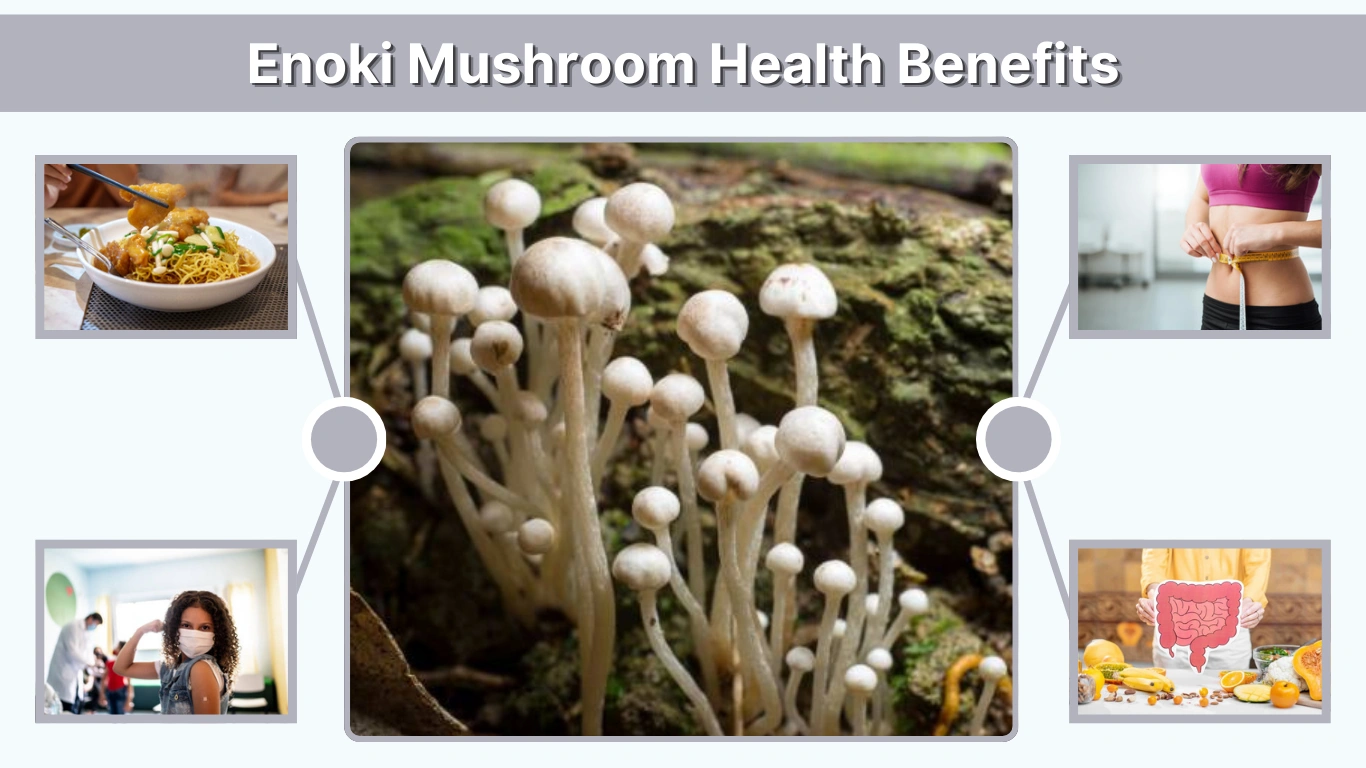
Enoki mushrooms are thin, white, and delicate-looking fungi that are widely used in Asian cuisine and increasingly popular in health-focused diets worldwide. Beyond their mild flavor and crunchy texture, enoki mushrooms are valued for their impressive nutritional profile and potential health benefits. They are low in calories, rich in fiber, and contain bioactive compounds that may support immunity, digestion, heart health, and overall wellness. As more people look for plant-based, nutrient-dense foods, enoki mushrooms have earned a reputation as a functional food worth adding to everyday meals.
What Are Enoki Mushrooms?
Enoki mushrooms, scientifically known as Flammulina velutipes, are edible fungi originally native to East Asia. They are easily recognized by their long, slender white stems and small caps. In the wild, enoki mushrooms grow darker and thicker, but the cultivated variety is grown in low-light conditions, giving it its signature pale color and tender texture.
These mushrooms have a mild, slightly sweet taste, making them versatile in cooking. They absorb flavors well and are commonly added to soups, stir-fries, noodle dishes, and hot pots. Because of their delicate structure, enoki mushrooms cook quickly and blend easily into both light and hearty meals.
Enoki Mushrooms in Asian Cuisine
Enoki mushrooms have been used for centuries in Japanese, Chinese, and Korean cooking. They are often added to miso soup, ramen, sukiyaki, and hot pot dishes. In traditional diets, enoki mushrooms are appreciated not only for taste but also for their perceived health-promoting properties, especially for digestion and vitality.
Enoki Mushroom Nutrition Profile
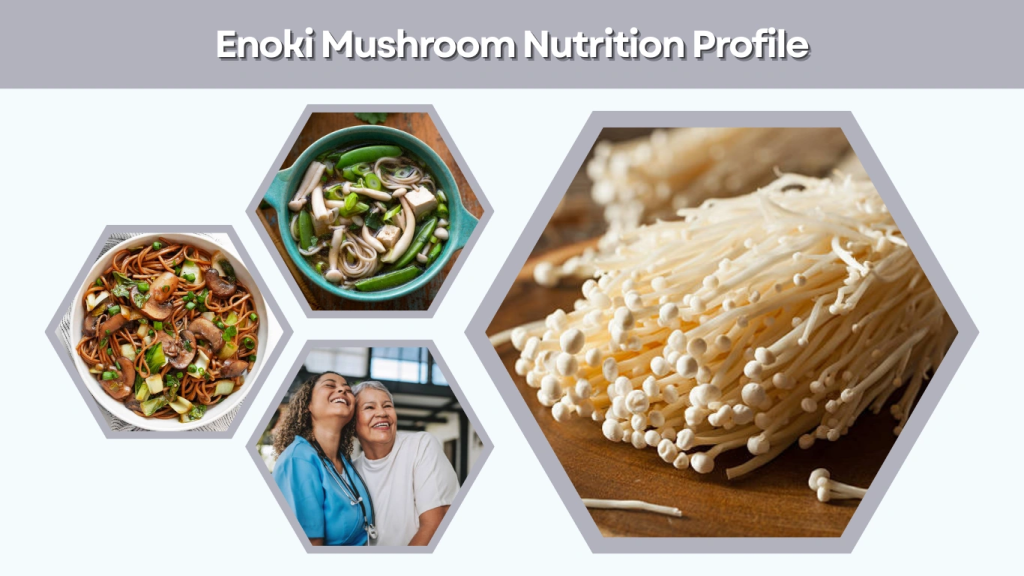
One of the biggest reasons enoki mushrooms are considered healthy is their strong nutritional value relative to their low calorie content. A typical serving of enoki mushrooms is very low in fat and calories, making it suitable for weight-conscious diets.
Despite being light, enoki mushrooms provide a range of essential nutrients that support everyday bodily functions. They are especially valued for their fiber, vitamins, minerals, and antioxidant compounds.
Vitamins in Enoki Mushrooms
Enoki mushrooms contain several B-complex vitamins, including niacin (vitamin B3), riboflavin (vitamin B2), and folate. These vitamins play a key role in energy metabolism, helping the body convert food into usable energy. Folate is also important for cell growth and red blood cell formation, making enoki mushrooms beneficial for overall metabolic health.
Minerals Found in Enoki Mushrooms
Enoki mushrooms provide important minerals such as potassium, iron, and selenium. Potassium supports healthy blood pressure and fluid balance, while iron contributes to oxygen transport in the blood. Selenium acts as an antioxidant mineral that helps protect cells from oxidative damage and supports immune function.
Protein, Fiber, and Antioxidants
Although not a high-protein food, enoki mushrooms do contain small amounts of plant-based protein, which contributes to tissue repair and maintenance. They are also a good source of dietary fiber, which supports digestion and helps maintain gut health. In addition, enoki mushrooms contain antioxidant compounds that help neutralize free radicals in the body.
Top Enoki Mushroom Health Benefits

Strengthens the Immune System
One of the most well-known health benefits of enoki mushrooms is their potential to support immune function. They contain polysaccharides and beta-glucans, which are compounds known to enhance immune cell activity. These substances may help the body respond more effectively to infections and reduce inflammation.
Supports Weight Loss and Metabolism
Enoki mushrooms are extremely low in calories and fat while being relatively high in fiber. This combination makes them ideal for weight loss diets. Fiber helps promote a feeling of fullness, which may reduce overall calorie intake. Additionally, the B vitamins in enoki mushrooms support metabolic processes that help the body efficiently use energy.
Improves Digestive Health
The fiber content in enoki mushrooms plays an important role in digestive health. Dietary fiber supports regular bowel movements and helps prevent constipation. It also feeds beneficial gut bacteria, which are essential for maintaining a healthy digestive system and supporting immune health.
Rich in Antioxidants
Enoki mushrooms contain antioxidants that help protect the body from oxidative stress. Oxidative damage is linked to aging and many chronic diseases. By reducing free radical damage, antioxidants in enoki mushrooms may contribute to better long-term health and cellular protection.
Promotes Heart Health
Enoki mushrooms may help support heart health in several ways. They are naturally low in fat and contain no cholesterol, making them a heart-friendly food choice. The potassium found in enoki mushrooms helps regulate blood pressure by balancing sodium levels in the body. In addition, their antioxidant compounds may help reduce oxidative stress, which is a contributing factor to heart disease. Regularly including enoki mushrooms in a balanced diet may support healthy cholesterol levels and overall cardiovascular function.
May Help Reduce Cancer Risk
Research suggests that enoki mushrooms contain bioactive compounds that may have anti-cancer properties. One such compound is flammulin, a protein that has been studied for its potential to inhibit tumor growth. Enoki mushrooms are also rich in beta-glucans, which may help strengthen immune defenses against abnormal cell growth. While enoki mushrooms are not a treatment for cancer, including them as part of a healthy, plant-rich diet may contribute to long-term disease prevention.
Supports Brain and Nervous System
The B vitamins present in enoki mushrooms play an important role in maintaining brain and nervous system health. These vitamins help support neurotransmitter function and energy production in brain cells. Regular intake of B-vitamin-rich foods like enoki mushrooms may help reduce fatigue, support concentration, and maintain cognitive function, especially as part of a nutrient-balanced diet.
Enoki Mushrooms for Skin and Hair Health
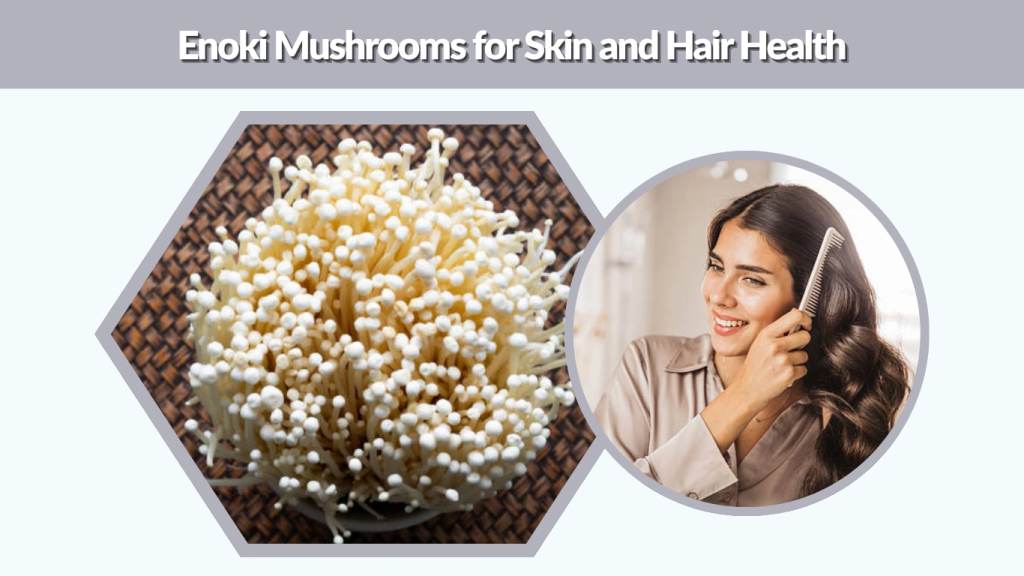
Enoki mushrooms may also benefit skin and hair health due to their antioxidant and mineral content. Antioxidants help protect the skin from environmental damage caused by pollution and UV exposure, which can contribute to premature aging. Selenium supports skin elasticity and may help reduce inflammation, while B vitamins contribute to healthy hair growth by supporting scalp circulation and cell regeneration. Including enoki mushrooms in your meals may help promote a clearer complexion and stronger hair over time.
Enoki Mushrooms and Blood Sugar Control
Enoki mushrooms are low in carbohydrates and have a minimal impact on blood sugar levels, making them suitable for people with diabetes or those aiming to manage blood glucose. Their fiber content helps slow the absorption of sugar into the bloodstream, which may prevent sharp spikes in blood sugar. Additionally, enoki mushrooms support insulin sensitivity, making them a helpful addition to a balanced, blood-sugar-friendly diet.
Enoki Mushrooms in Traditional Medicine
In traditional Chinese and Japanese medicine, enoki mushrooms have long been associated with longevity and vitality. They were believed to strengthen the immune system, improve digestion, and support overall energy levels. Modern research has begun to explore these traditional uses, with studies supporting the immune-boosting and antioxidant properties of enoki mushrooms. While traditional medicine practices vary, enoki mushrooms continue to be valued for their functional health benefits.
How to Eat Enoki Mushrooms Safely
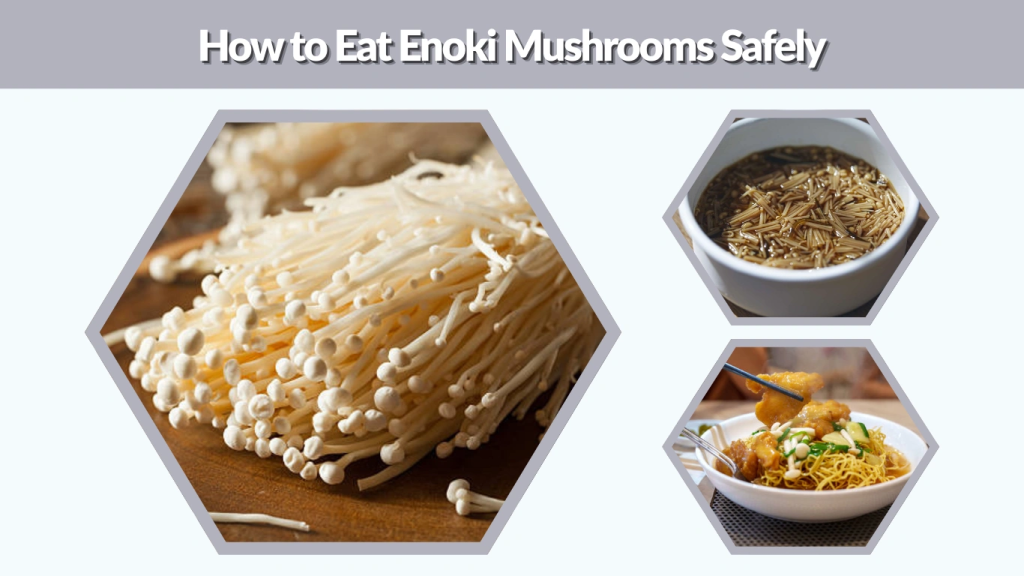
Enoki mushrooms are easy to prepare and can be added to many dishes, but proper handling is important.
Raw vs Cooked Enoki Mushrooms
Although enoki mushrooms can be eaten raw in some recipes, cooking them is generally recommended. Cooking helps improve digestibility and reduces the risk of foodborne illness. Light cooking methods such as boiling, sautéing, or steaming help preserve their nutrients while enhancing safety.
Easy Ways to Add Enoki Mushrooms to Your Diet
- Add them to soups, broths, or ramen
- Stir-fry with vegetables and lean protein
- Mix into omelets or noodle dishes
- Use as a topping for salads after light cooking
Possible Side Effects and Risks
Most people can safely enjoy enoki mushrooms, but some may experience mild digestive discomfort if eaten in large amounts. Allergic reactions are rare but possible. It is important to wash enoki mushrooms thoroughly and cook them properly to avoid contamination. People with weakened immune systems should be especially cautious and consume only well-cooked mushrooms.
Enoki Mushrooms vs Other Popular Mushrooms
Compared to shiitake and oyster mushrooms, enoki mushrooms are lower in calories but slightly lower in protein. However, they stand out for their high fiber content and unique antioxidant compounds. Each mushroom variety offers different benefits, and including a mix of mushrooms can provide a broader range of nutrients.
Conclusion
Enoki mushrooms are a nutritious, low-calorie food that offers a wide range of health benefits. From supporting immune function and digestion to promoting heart health and blood sugar control, these delicate mushrooms are more than just a flavorful ingredient. When properly prepared and consumed in moderation, enoki mushrooms can be a valuable addition to a balanced, health-conscious diet.