
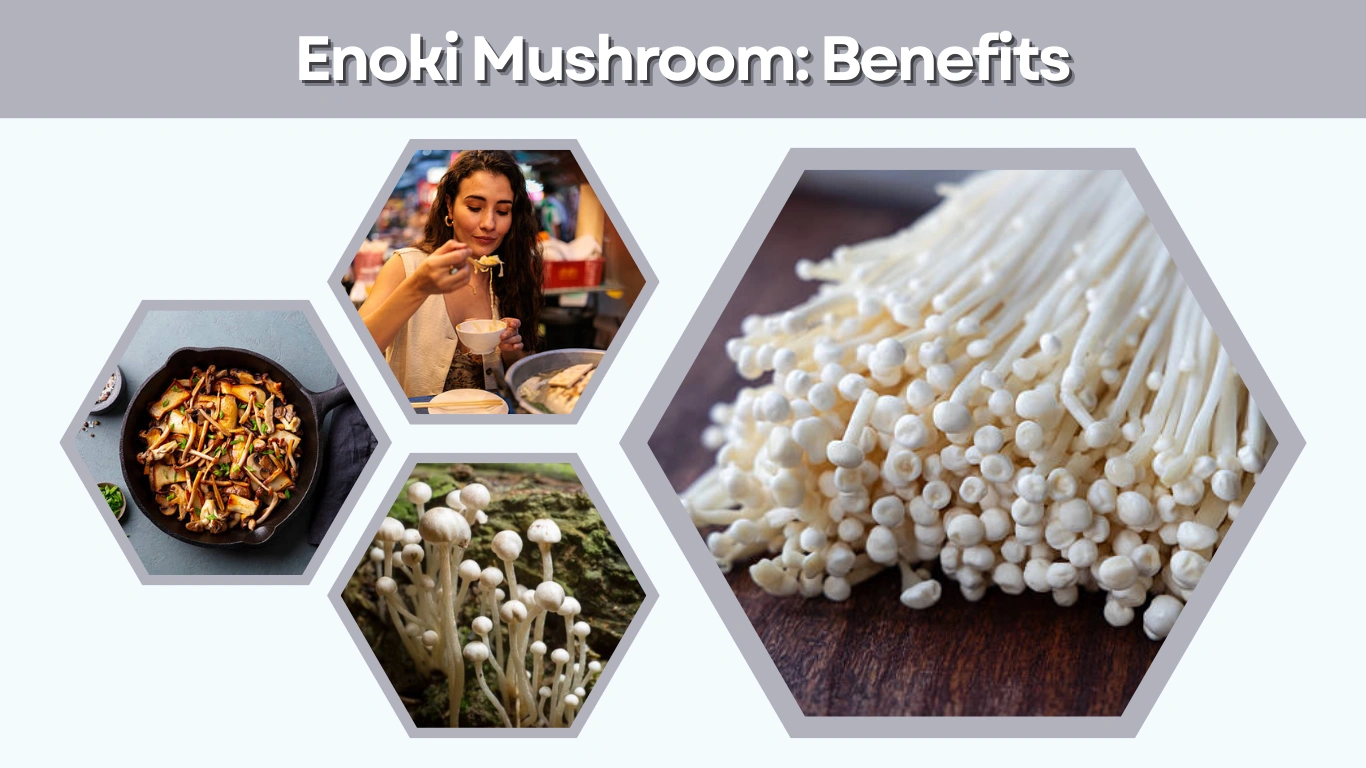
Enoki mushrooms are thin, long, and delicate mushrooms widely used in Asian cuisine and increasingly popular around the world. Known for their mild flavor and crunchy texture, these mushrooms are not only versatile in cooking but also packed with nutrients. From soups and stir-fries to hot pots and salads, enoki mushrooms fit easily into many dishes. In this article, you’ll learn what enoki mushrooms are, their types, nutritional value, and the key health benefits that make them a smart addition to a balanced diet.
What Is Enoki Mushroom?
Enoki mushroom is an edible mushroom recognized by its long white stems and small caps. Its scientific name is Flammulina velutipes, and it belongs to the fungus family commonly used in cooking and traditional medicine. Enoki mushrooms grow naturally on tree stumps, especially elm trees, but most commercially available enoki mushrooms are cultivated indoors under controlled conditions.
These mushrooms are popular because they cook quickly, absorb flavors well, and add a pleasant crunch to dishes. Unlike stronger-tasting mushrooms, enoki mushrooms have a subtle flavor, making them suitable for both light and savory meals.
Origin and History
Enoki mushrooms have been consumed for centuries in East Asian countries such as Japan, China, and Korea. In Japan, they are known as “enokitake” and are often used in soups, noodle dishes, and hot pots. Traditionally, wild enoki mushrooms were darker and shorter, but modern cultivation methods have produced the familiar white, long-stemmed version seen in grocery stores today. Over time, their health benefits and culinary flexibility helped them gain popularity worldwide.
Identification of Enoki Mushroom
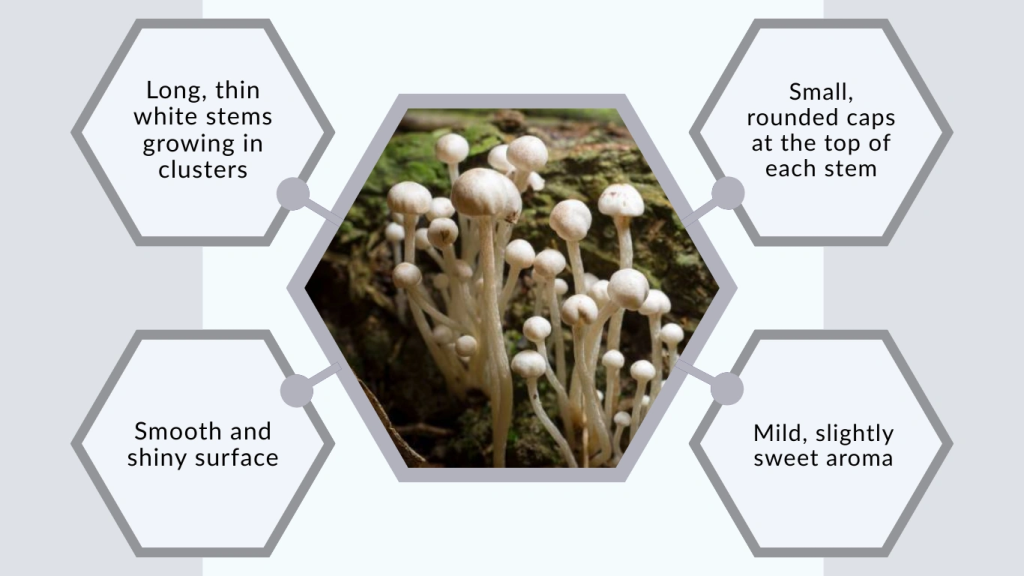
- Long, thin white stems growing in clusters
- Small, rounded caps at the top of each stem
- Smooth and shiny surface
- Mild, slightly sweet aroma
- Crisp and crunchy texture when fresh
- Usually sold in tightly packed bundles
- Cultivated varieties are white; wild varieties are light to dark brown
- Grows naturally on tree stumps, especially elm trees
- Scientific name: Flammulina velutipes
Types of Enoki Mushrooms
There are mainly two types of enoki mushrooms: cultivated enoki and wild enoki. While they come from the same species, their appearance and growing conditions differ.
Cultivated enoki mushrooms are grown in dark, carbon dioxide–rich environments, which results in their pale white color and long, thin stems. These are the most commonly sold enoki mushrooms in supermarkets.
Wild enoki mushrooms, on the other hand, grow in natural outdoor environments. They usually have shorter stems, a darker brown color, and a slightly stronger flavor.
Wild vs Cultivated Enoki
Wild enoki mushrooms have a firmer texture and deeper taste compared to cultivated varieties. However, cultivated enoki mushrooms are preferred for everyday cooking because they are tender, mild, and easier to prepare. Both types offer nutritional benefits, but cultivated enoki mushrooms are more widely available and commonly used in home kitchens.
Enoki Mushroom Nutrition Facts
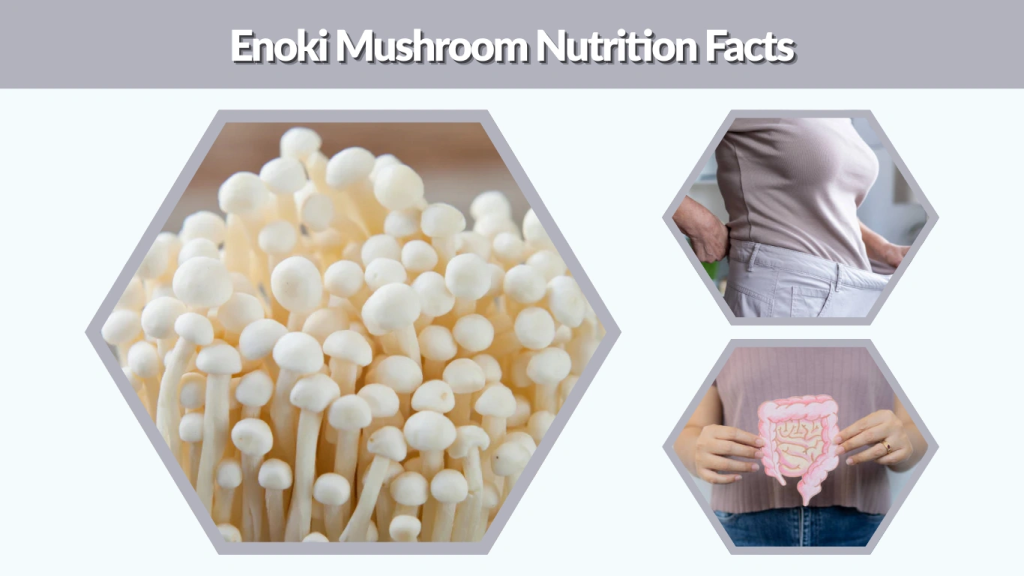
Enoki mushrooms are low in calories but rich in essential nutrients, making them ideal for health-conscious eaters. A 100-gram serving of enoki mushrooms contains very few calories while providing fiber, vitamins, and minerals.
Macronutrients
Enoki mushrooms are naturally low in fat and calories, which makes them suitable for weight management. They contain small amounts of protein, which supports muscle maintenance, and carbohydrates mainly in the form of dietary fiber. The fiber content helps promote digestion and supports gut health.
Vitamins and Minerals
Enoki mushrooms are a good source of B vitamins, including niacin and riboflavin, which help support energy production and nervous system function. They also contain minerals such as potassium, iron, and selenium. In addition, enoki mushrooms provide antioxidants that help protect cells from oxidative stress.
Health Benefits of Enoki Mushroom
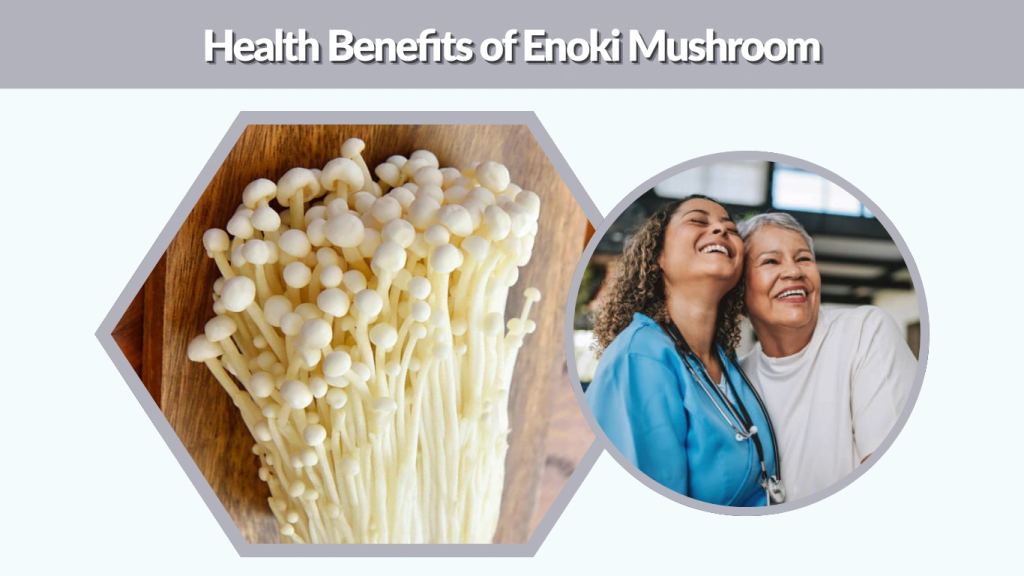
Enoki mushrooms are valued not only for their taste but also for their potential health benefits. Regular consumption may support overall wellness when included as part of a balanced diet.
Supports Immune System
Enoki mushrooms contain natural compounds such as polysaccharides and antioxidants that may help strengthen the immune system. These compounds support the body’s defense mechanisms and help protect against illness.
Helps With Weight Loss
Because enoki mushrooms are low in calories and high in fiber, they are an excellent food choice for weight loss. They help you feel full for longer without adding many calories, making them ideal for healthy meal planning.
Improves Digestion
The dietary fiber in enoki mushrooms supports healthy digestion by promoting regular bowel movements and feeding beneficial gut bacteria. This can improve overall digestive health over time.
Heart Health Benefits
Enoki mushrooms may contribute to heart health by helping manage cholesterol levels and supporting healthy blood pressure. Their potassium content also plays a role in maintaining cardiovascular balance.
Taste and Texture of Enoki Mushroom
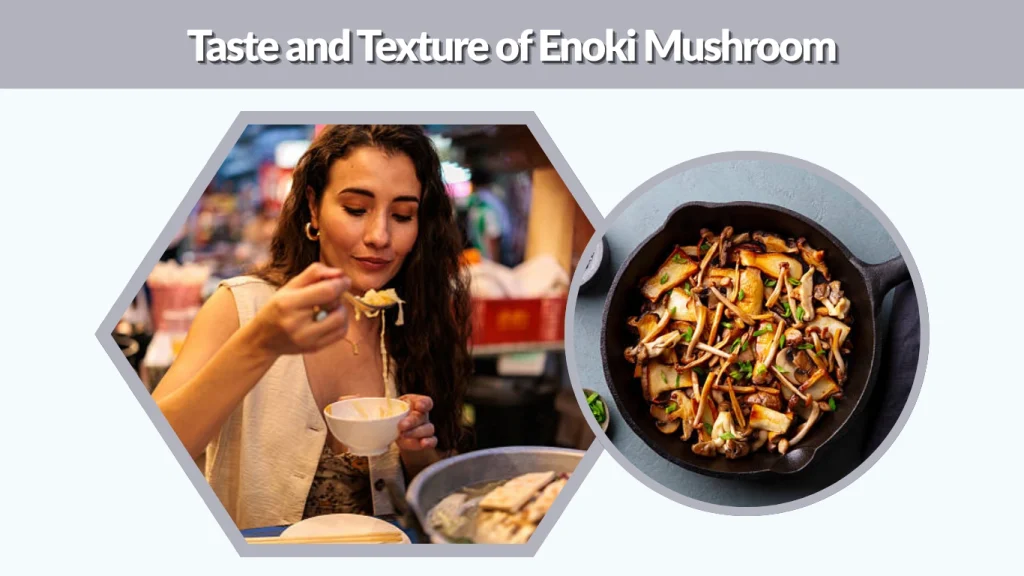
Enoki mushrooms are known for their mild, slightly sweet flavor. Unlike stronger mushrooms such as shiitake or portobello, enoki mushrooms do not overpower a dish. Instead, they absorb the flavors of sauces, broths, and seasonings, which makes them extremely versatile in cooking.
Their texture is one of their most distinctive features. Enoki mushrooms have thin, crunchy stems that remain slightly firm even after cooking. This crisp texture adds contrast to soft foods like noodles, tofu, and vegetables, making meals more enjoyable.
Raw vs Cooked Texture
When eaten raw, enoki mushrooms have a very crunchy and fresh texture, but cooking them softens the stems slightly while keeping a pleasant bite. Light cooking methods such as stir-frying or simmering in soup help enhance their natural flavor and improve food safety. Cooking also allows enoki mushrooms to better absorb spices and seasonings.
How to Clean and Prepare Enoki Mushrooms
Preparing enoki mushrooms is quick and simple. Start by cutting off the dirty root base at the bottom, which usually holds the cluster together. After trimming, separate the mushrooms gently with your fingers.
Rinse them briefly under running water to remove any remaining debris. Avoid soaking enoki mushrooms for too long, as they can absorb excess water and lose their texture. Pat them dry with a paper towel before cooking.
Can You Eat Enoki Mushrooms Raw?
While enoki mushrooms can technically be eaten raw, it is generally safer to cook them. Cooking helps reduce the risk of foodborne bacteria and improves digestibility. Light cooking methods are usually enough to make them safe while preserving their crunchy texture.
How to Cook Enoki Mushrooms
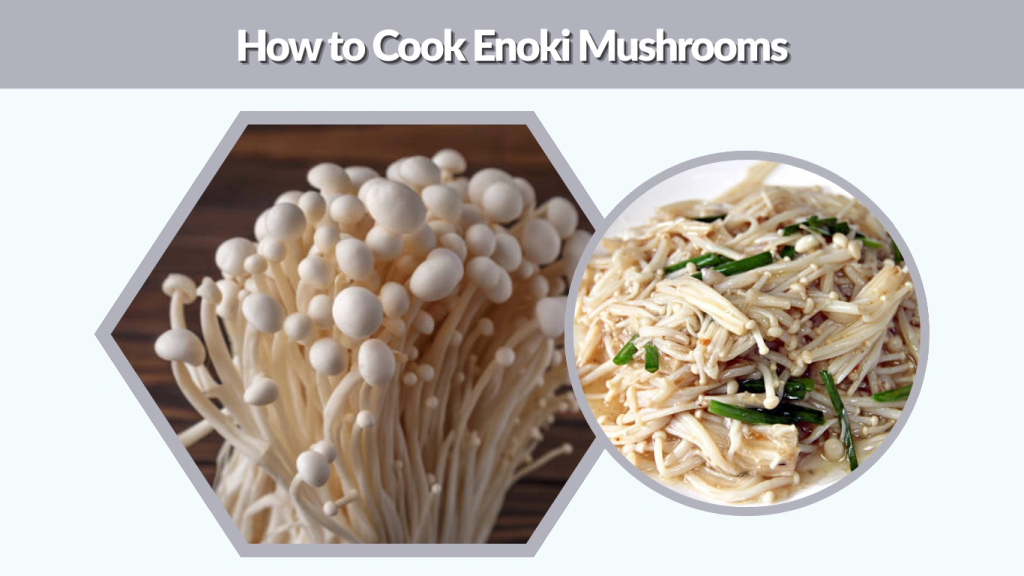
Enoki mushrooms cook very quickly, often in just a few minutes. Their thin stems make them ideal for fast and simple recipes.
Stir-Frying Enoki Mushrooms
Stir-frying is one of the most popular ways to cook enoki mushrooms. Heat a small amount of oil in a pan, add garlic or onions for flavor, and toss in the mushrooms. They only need two to three minutes of cooking. Season with soy sauce, salt, or pepper for a simple and tasty side dish.
Enoki Mushrooms in Soup
Enoki mushrooms are commonly used in soups and hot pots. They cook directly in the broth and add a light, crunchy texture. Enoki mushrooms pair well with miso soup, chicken broth, and vegetable-based soups.
Other Cooking Methods
Enoki mushrooms can also be steamed, grilled, or pan-fried. Steaming helps retain nutrients, while grilling or pan-frying adds a slightly crispy texture. They can also be wrapped in bacon or added to omelets and noodle dishes for extra flavor.
Popular Enoki Mushroom Uses
Enoki mushrooms are widely used in home cooking because they are easy to prepare and adapt to many recipes. They work well in vegetarian and vegan meals, as well as meat-based dishes.
Enoki Mushrooms in Asian Cuisine
In Asian cuisine, enoki mushrooms are often added to ramen, hot pots, and stir-fried noodle dishes. They are also used in Korean barbecue meals and Japanese soups, where their mild flavor complements rich broths and sauces.
Enoki Mushroom Side Effects and Safety Tips
Enoki mushrooms are generally safe to eat when properly handled and cooked. However, as with any food, some people may experience mild allergic reactions. It’s important to wash and cook them thoroughly to reduce any potential risks.
Storage and Shelf Life
Enoki mushrooms should be stored in the refrigerator in their original packaging or a paper bag. They typically stay fresh for up to one week. Signs of spoilage include a slimy texture, unpleasant odor, or discoloration. If any of these appear, it’s best to discard the mushrooms.
Enoki Mushroom vs Other Mushrooms
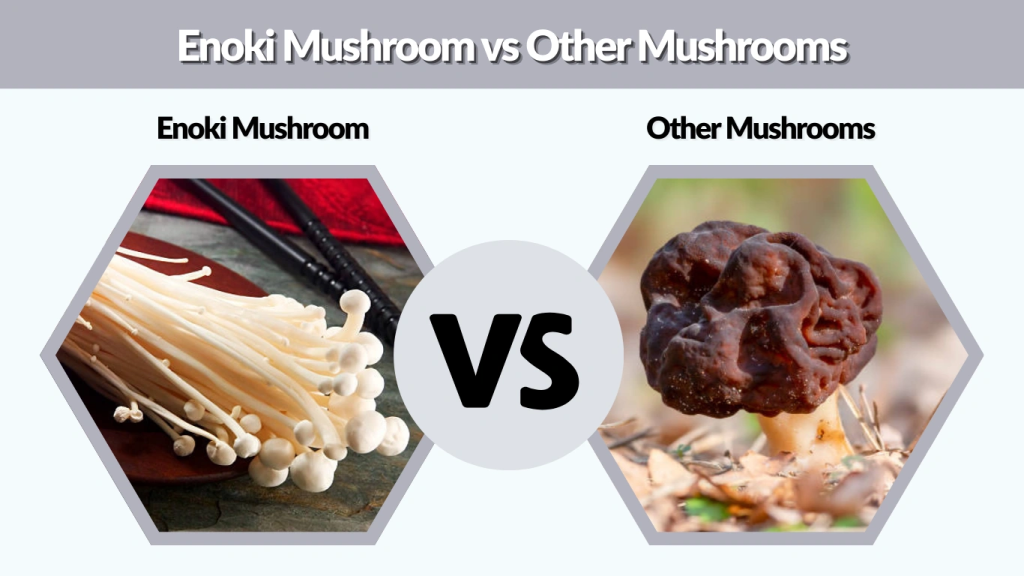
Compared to button mushrooms, enoki mushrooms have a crunchier texture and milder taste. Button mushrooms are softer and earthier when cooked. When compared to shiitake mushrooms, enoki mushrooms are much lighter in flavor and cook faster, while shiitake mushrooms have a rich, meaty taste.
Conclusion
Enoki mushrooms are a nutritious, low-calorie ingredient that adds both texture and health benefits to a wide variety of dishes. Their mild flavor, quick cooking time, and versatility make them an excellent choice for everyday meals. Whether added to soups, stir-fries, or noodle dishes, enoki mushrooms are an easy and healthy way to enhance your diet.
FAQs
Are enoki mushrooms healthy?
Yes, enoki mushrooms are considered healthy. They are low in calories, high in fiber, and contain important vitamins and minerals such as B vitamins, potassium, and antioxidants that support overall health.
Can you eat enoki mushrooms raw?
Enoki mushrooms can be eaten raw, but it is generally safer to cook them. Cooking helps reduce the risk of bacteria and makes them easier to digest while still keeping their crunchy texture.
Are enoki mushrooms good for weight loss?
Yes, enoki mushrooms are good for weight loss because they are low in calories and high in fiber. They help you feel full longer without adding many calories to your meals.
How often can you eat enoki mushrooms?
Enoki mushrooms can be eaten several times a week as part of a balanced diet. There is no strict limit, as long as they are properly cleaned and cooked.
What do enoki mushrooms taste like?
Enoki mushrooms have a mild, slightly sweet flavor with a crunchy texture. They easily absorb the flavors of sauces, soups, and seasonings.