
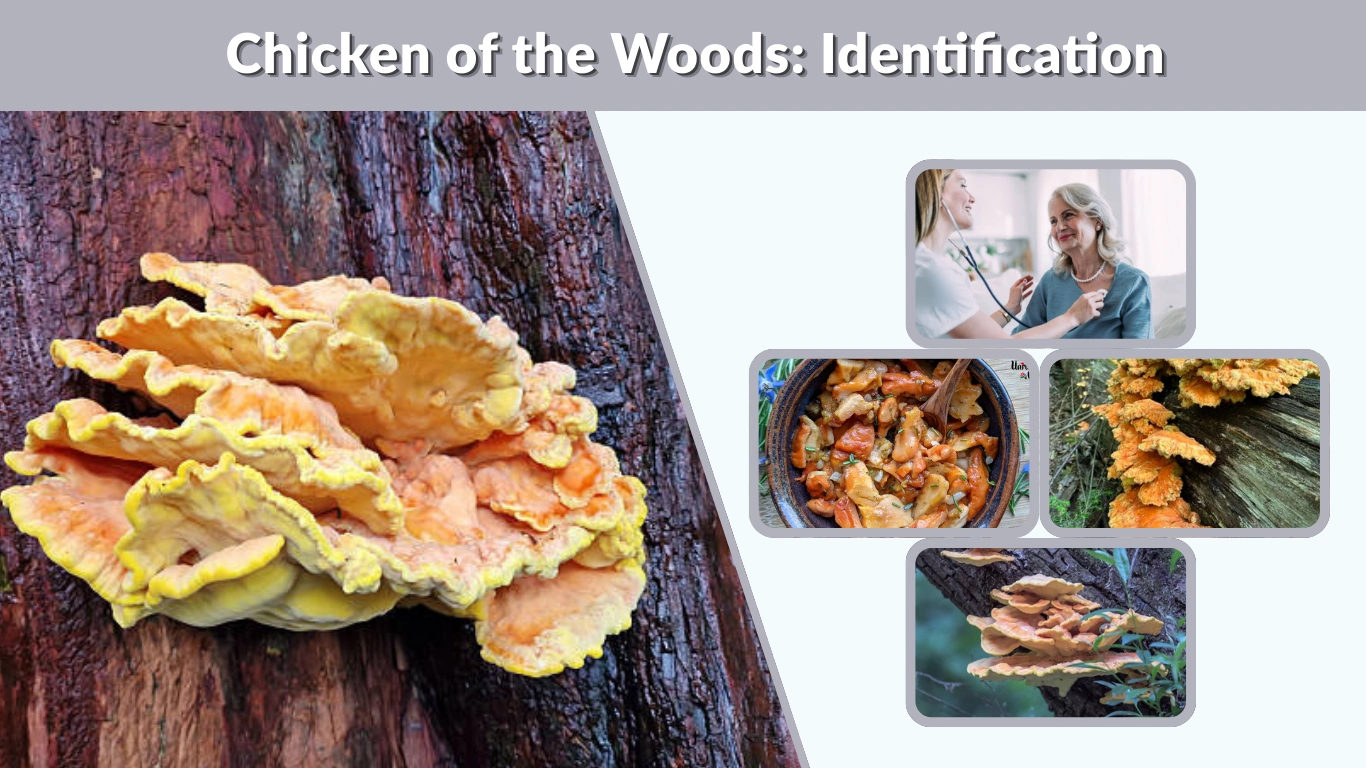
Chicken of the woods is one of the most eye-catching wild mushrooms you can find in the forest. With its bright orange and yellow colors and thick, shelf-like shape, it stands out against tree trunks and fallen logs. Popular among foragers and plant-based cooks, this mushroom is known for its meaty texture and mild flavor that resembles chicken when cooked. In this guide, you’ll learn how to identify chicken of the woods, where it grows, how to distinguish it from look-alikes, and what makes it nutritionally valuable.
What Is Chicken of the Woods?
Chicken of the woods refers to several closely related species in the Laetiporus genus, most commonly Laetiporus sulphureus. These fungi grow in large, overlapping clusters on trees, forming thick, fan-shaped shelves.
The mushroom gets its name from both its color and texture. Its vibrant orange top with bright yellow edges resembles flames or layered feathers, while its firm, fibrous flesh develops a chicken-like texture when cooked. Because of this, it has become a favorite meat substitute in vegetarian and vegan recipes.
Unlike many mushrooms that grow from the soil, chicken of the woods grows directly on wood. It is a parasitic and saprobic fungus, meaning it feeds on living or decaying trees. Over time, it causes brown rot in the wood it inhabits.
There are several species within the Laetiporus group. Some grow primarily on hardwood trees such as oak, while others are more commonly found on conifers. Identifying the host tree can sometimes help narrow down the species.
Chicken of the Woods Mushroom Identification
Correct identification is essential when foraging wild mushrooms. Fortunately, chicken of the woods has several distinctive features that make it easier to recognize compared to many other fungi.
Key Visual Features
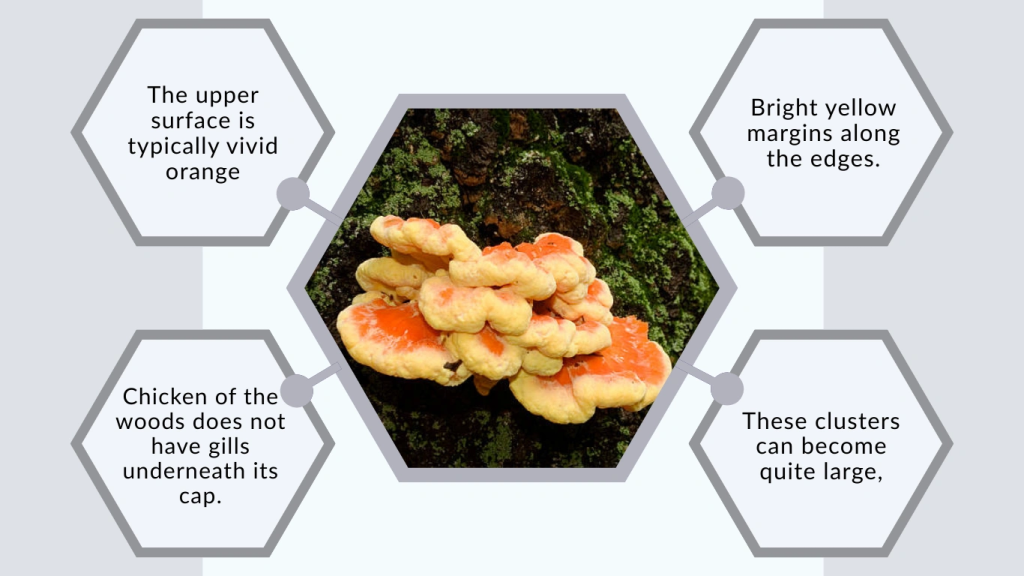
One of the most obvious characteristics is its bright coloration. The upper surface is typically vivid orange, sometimes fading slightly toward the center, with bright yellow margins along the edges.
The mushroom grows in shelf-like brackets that stack on top of one another in overlapping layers. These clusters can become quite large, sometimes weighing several pounds.
Young specimens are soft, thick, and slightly moist to the touch. As they age, they become paler, drier, and more brittle.
Gills vs. Pores
Unlike many common mushrooms, chicken of the woods does not have gills underneath its cap. Instead, it has tiny pores on the underside. These pores are usually pale yellow and closely packed.
This pore surface is a key identification feature. If you see gills under an orange mushroom growing on wood, it is not chicken of the woods.
Texture and Growth Stage
The best time to harvest chicken of the woods is when it is young and tender. At this stage, the flesh is firm but easy to slice. Older specimens become tough, crumbly, and less suitable for cooking.
Fresh growth typically appears bright and slightly spongy. If the mushroom feels hard or chalky, it is likely past its prime.
Spore Print Details
Chicken of the woods produces a white to pale yellow spore print. Taking a spore print can help confirm identification. To do this, place a piece of the mushroom pore-side down on a sheet of paper and leave it for several hours. The released spores will form a visible print.
Chicken of the Woods Look-Alikes
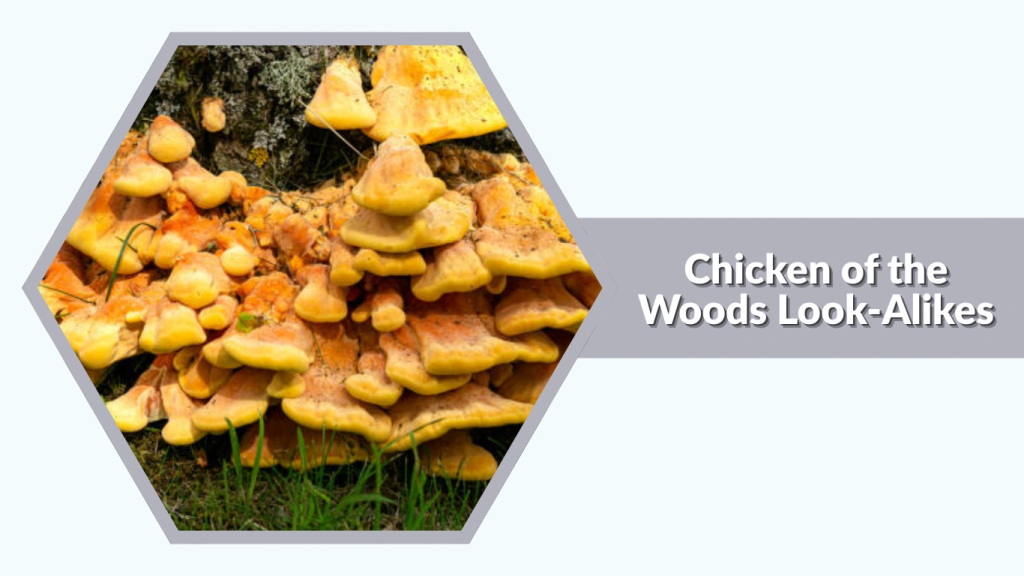
Although chicken of the woods is fairly distinctive, there are a few mushrooms that beginners may confuse with it. Learning the differences is important for safe foraging.
Jack-O’-Lantern Mushroom
The Jack-O’-Lantern mushroom (Omphalotus illudens) is sometimes mistaken for chicken of the woods because of its orange color. However, there are clear differences.
Jack-O’-Lantern mushrooms grow from the ground or from buried wood and have true gills underneath their caps. In contrast, chicken of the woods grows directly on visible wood and has pores instead of gills.
Most importantly, the Jack-O’-Lantern mushroom is toxic and can cause severe gastrointestinal distress. Always check the underside of the mushroom before harvesting.
Other Laetiporus Species
There are multiple Laetiporus species across different regions. Some are commonly found on oak trees, while others grow on conifers. While most are considered edible when young and properly cooked, some people report digestive sensitivity to species that grow on conifers.
Paying attention to the host tree and ensuring proper cooking can help reduce potential issues.
General Safety Tips
When foraging chicken of the woods, always follow these guidelines:
- Confirm the presence of pores instead of gills
- Harvest only from healthy-looking trees in clean areas
- Avoid mushrooms growing near busy roads or polluted sites
- Start by eating a small portion to test tolerance
Proper identification and cautious consumption are key to enjoying wild mushrooms safely.
Where Does Chicken of the Woods Grow?
Understanding habitat is just as important as visual identification.
Host Trees
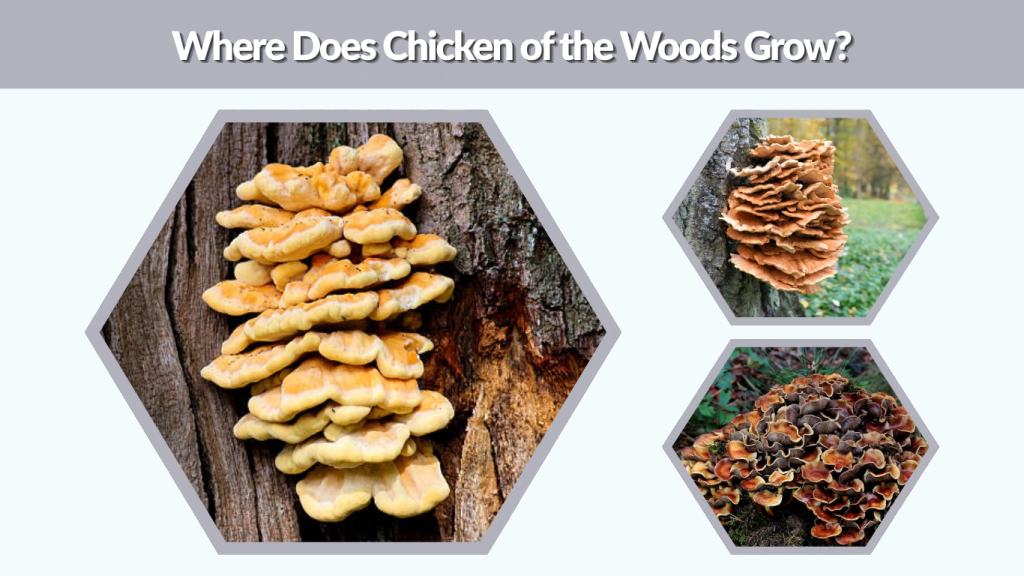
Chicken of the woods most commonly grows on hardwood trees, especially oak. It may also be found on cherry, beech, and other deciduous trees. Some species prefer coniferous trees like pine.
It typically appears on dead, dying, or weakened trees, as well as fallen logs.
Habitat Conditions
You’ll usually find chicken of the woods in forests, wooded parks, and along forest edges. It thrives in warm, humid conditions and often appears after periods of rain.
Because it grows directly from tree trunks or stumps, it is often easier to spot than ground-dwelling mushrooms.
Geographic Distribution
Chicken of the woods is widely distributed across North America and Europe, with related species found in parts of Asia. Its adaptability to different climates makes it a common find during the growing season.
When Does It Grow?
This mushroom typically appears from late spring through early fall, depending on the region. Peak season is often during the summer months when temperatures are warm and moisture levels are high.
Fresh growth may appear multiple times on the same tree throughout the season.
Chicken of the Woods Nutrition
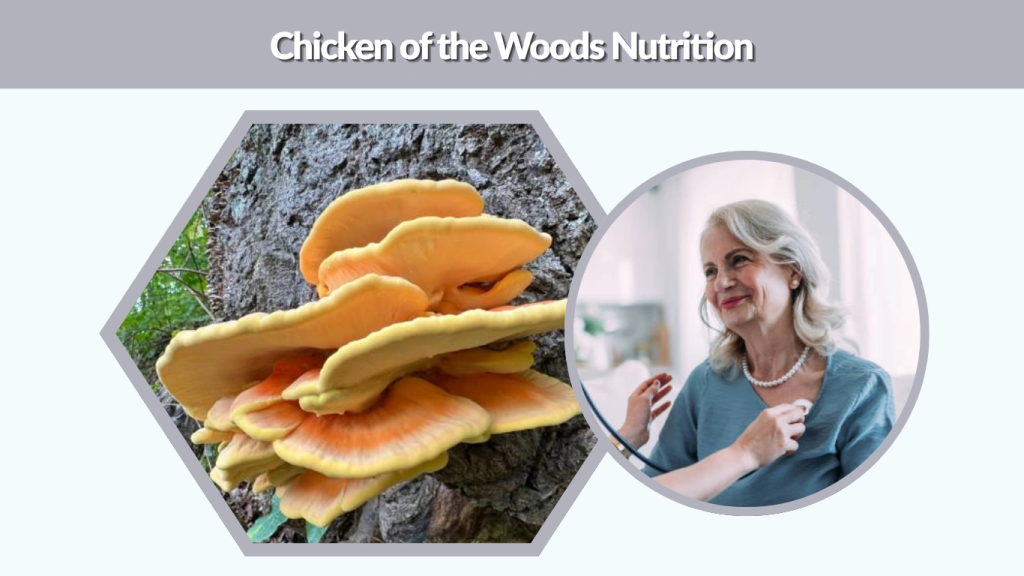
Beyond its striking appearance and culinary appeal, chicken of the woods also offers an interesting nutritional profile. While exact values can vary depending on species and growing conditions, this mushroom is generally considered low in calories and rich in beneficial nutrients.
Macronutrient Profile
Chicken of the woods is low in fat and relatively low in calories, making it a light yet satisfying food. It contains moderate amounts of plant-based protein compared to many other mushrooms, which contributes to its popularity as a meat substitute.
It is also a good source of dietary fiber. Fiber supports digestive health, helps regulate blood sugar levels, and promotes a feeling of fullness.
Vitamins and Minerals
Like many wild mushrooms, chicken of the woods contains a variety of vitamins and minerals. It may provide:
- Potassium, which supports heart and muscle function
- Vitamin C, which contributes to immune health
- Small amounts of iron and other trace minerals
The exact nutrient levels can vary, but overall, it can be a valuable addition to a balanced diet.
Antioxidants and Bioactive Compounds
Research suggests that species within the Laetiporus genus contain antioxidant compounds. Antioxidants help protect cells from damage caused by free radicals, which are unstable molecules linked to aging and chronic disease.
Some studies have also explored potential antimicrobial and anti-inflammatory properties, although more research is needed to fully understand these effects in humans.
Is It a Healthy Meat Substitute?
Chicken of the woods is often used as a plant-based alternative to chicken due to its texture. When cooked properly, its fibrous structure pulls apart in a way that resembles shredded poultry.
Nutritionally, it does not provide as much protein as meat, but it offers fiber and beneficial plant compounds that meat does not. For individuals following vegetarian or flexitarian diets, it can be a flavorful and nutritious addition to meals.
Is Chicken of the Woods Safe to Eat?
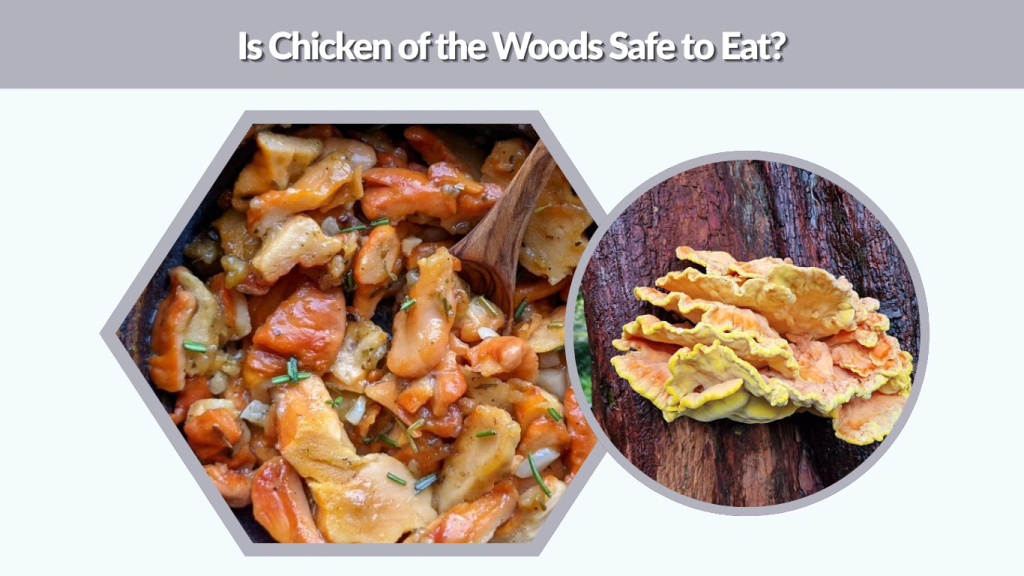
Chicken of the woods is widely considered edible and safe when properly identified and thoroughly cooked. However, there are a few important precautions to keep in mind.
First, it should never be eaten raw. Raw wild mushrooms can be difficult to digest and may cause stomach upset. Cooking helps break down tough fibers and improves digestibility.
Second, some individuals experience mild digestive discomfort after eating chicken of the woods, especially the first time. This may include nausea or stomach cramps. To minimize risk, start with a small portion and see how your body reacts.
Additionally, mushrooms growing on conifer trees may cause sensitivity in some people. Harvesting from hardwood trees like oak is often preferred by foragers.
Anyone with known mushroom allergies should avoid consuming it, and beginners should always confirm identification with an experienced forager or local expert before eating wild mushrooms.
How to Harvest Chicken of the Woods
Proper harvesting ensures both safety and sustainability.
Ethical Foraging Practices
Use a sharp knife to cut the mushroom cleanly from the tree rather than pulling or tearing it off. Leaving a portion of the mushroom behind may allow future growth.
Avoid harvesting from areas exposed to heavy traffic, industrial pollution, or pesticide use, as mushrooms can absorb contaminants from their environment.
Be mindful of local regulations, as foraging rules vary by region.
Signs It’s Too Old to Eat
Chicken of the woods is best when young and tender. Signs that a specimen is past its prime include:
- Tough or woody texture
- Faded or pale coloration
- Crumbly edges
- Visible insect damage
Older mushrooms may still be safe but are usually too tough to enjoy.
Cleaning and Storage
After harvesting, brush off dirt and debris with a soft brush or damp cloth. Avoid soaking it in water, as mushrooms can absorb moisture quickly.
Store fresh chicken from the woods in the refrigerator and use it within a few days. It can also be frozen after cooking for longer storage.
How to Cook Chicken of the Woods
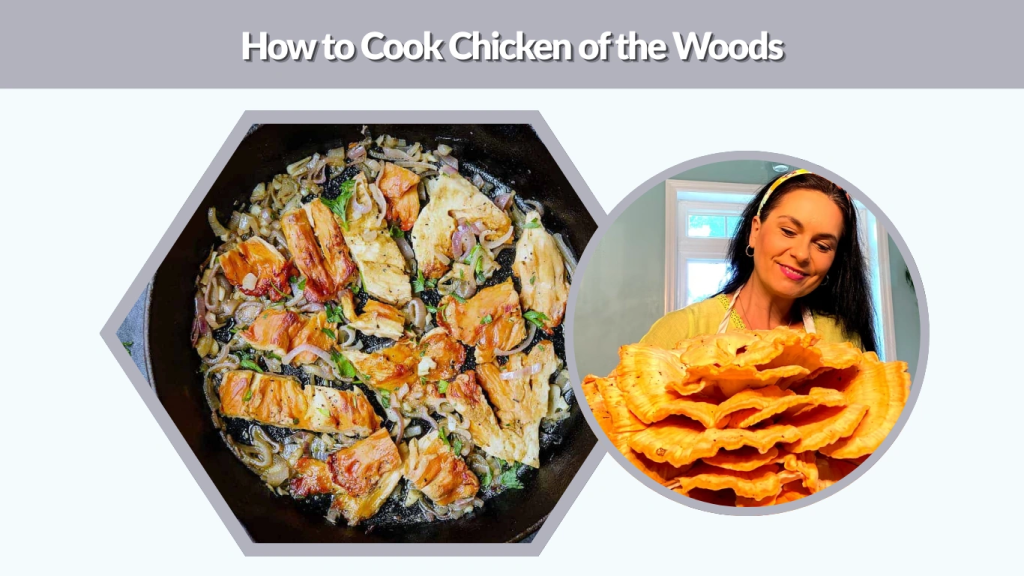
Cooking enhances both the flavor and texture of this mushroom.
Why It Tastes Like Chicken
When sliced and sautéed, chicken of the woods develops a tender, slightly fibrous texture that resembles cooked chicken breast. Its mild flavor easily absorbs seasonings and marinades.
Simple Cooking Methods
One of the easiest ways to prepare it is by sautéing slices in oil or butter over medium heat until golden brown. Cooking thoroughly is important to improve digestibility.
It can also be grilled, baked, or added to soups and stews. Longer cooking times help soften thicker pieces.
Popular Recipe Ideas
Chicken of the woods works well in:
- Tacos or fajitas as a meat substitute
- Stir-fries with vegetables and soy sauce
- Breaded and pan-fried “mushroom nuggets”
- Pasta dishes with garlic and herbs
Its versatility makes it a favorite among adventurous home cooks.
FAQs
How do you identify chicken of the woods mushrooms?
Look for bright orange shelf-like clusters growing on wood with a yellow pore surface underneath instead of gills. Always confirm these key features before harvesting.
Where does chicken of the woods grow most often?
It commonly grows on hardwood trees, especially oak, in forests and wooded areas. It appears from late spring through early fall.
Is chicken of the woods healthy?
Yes, it is low in calories, contains fiber, and provides beneficial plant compounds. It can be part of a balanced diet when properly prepared.
Can you eat chicken of the woods raw?
No, it should always be cooked thoroughly to reduce the risk of digestive upset.
What trees does it grow on?
It most often grows on oak but may also appear on cherry, beech, and sometimes conifer trees, depending on the species.
Final Thoughts
Chicken of the woods is a striking and rewarding mushroom for both foragers and food lovers. Its bright color makes it relatively easy to identify, and its meaty texture offers a unique plant-based alternative in the kitchen.
However, safe identification and proper cooking are essential. By understanding where it grows, how to recognize it, and how to prepare it correctly, you can confidently enjoy this remarkable wild mushroom while foraging responsibly.