
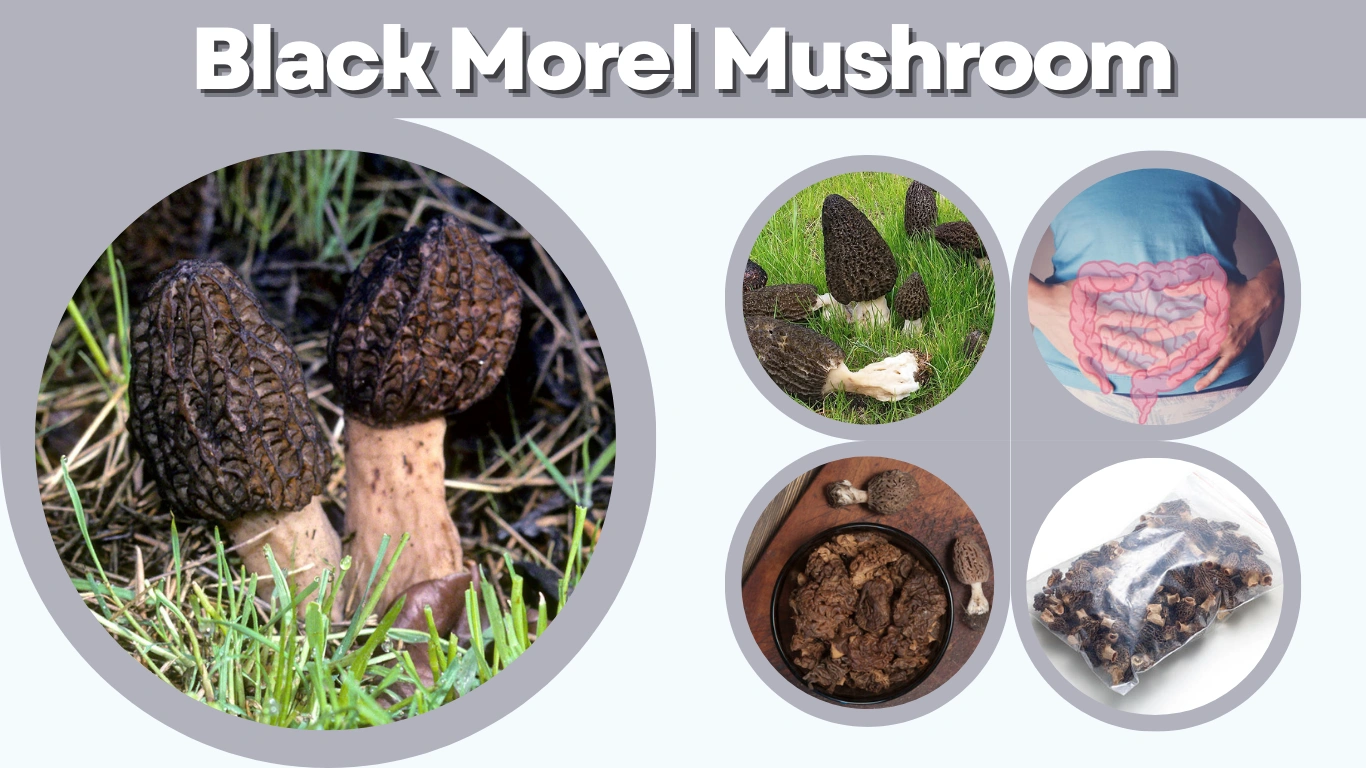
The black morel mushroom is one of the most prized wild fungi in the world, celebrated for its rich flavor, unique appearance, and mysterious life cycle. Revered by chefs, foragers, and food lovers alike, black morels occupy a special place in culinary culture and natural history. Found mainly in temperate forests during spring, these mushrooms are both a delicacy and a symbol of the fleeting abundance of the wild.
What Is a Black Morel Mushroom?
Black morels belong to the genus Morchella, a group of edible mushrooms known for their honeycomb-like caps. The term “black morel” commonly refers to species such as Morchella elata and related dark-colored morels. They are distinguished by tall, conical caps with deep ridges and pits, ranging in color from dark brown to nearly black. The hollow interior, running from the tip of the cap to the base of the stem, is a defining feature and an important identification trait.
Unlike cultivated button mushrooms, black morels are mostly wild-harvested. Their complex ecological needs make large-scale cultivation difficult, adding to their rarity and high market value.
Habitat and Growth Conditions
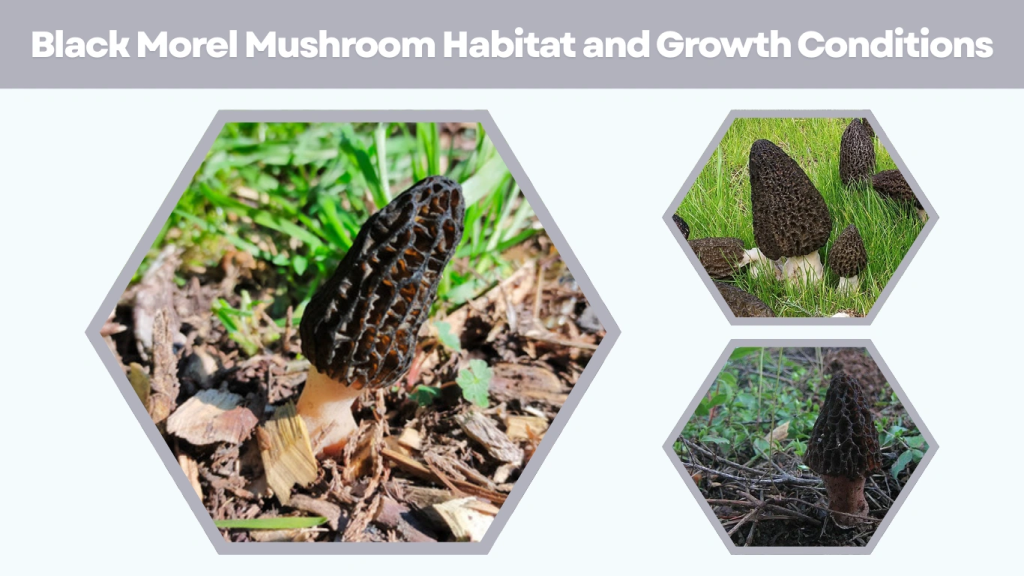
Black morels thrive in specific environmental conditions, often appearing for only a short window each year. They are typically found in spring, when soil temperatures rise after winter and moisture levels are high. Forests with ash, elm, oak, and conifer trees are common habitats, especially in areas affected by wildfires, logging, or other natural disturbances.
Interestingly, black morels often fruit abundantly in “burn sites” during the year following a forest fire. Scientists believe changes in soil chemistry, reduced competition, and altered microbial activity create ideal conditions for morel growth. This unpredictable relationship with nature makes foraging both exciting and challenging.
Nutritional Value and Health Benefits
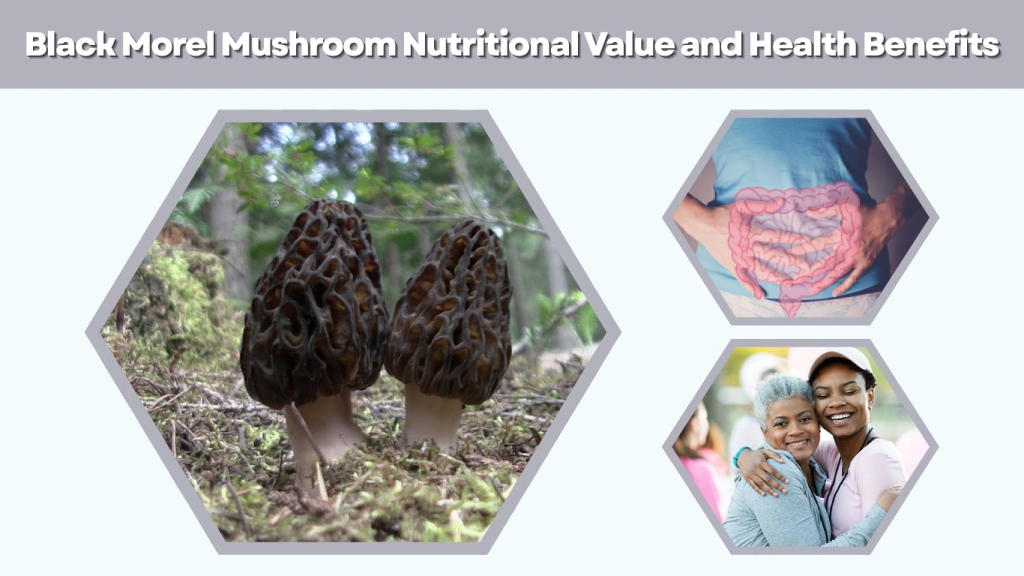
Beyond their culinary appeal, black morel mushrooms are nutritionally impressive. They are low in calories and fat while providing a range of essential nutrients. Black morels contain:
- High-quality plant protein
- Dietary fiber for digestive health
- B vitamins, including riboflavin and niacin
- Minerals such as iron, copper, potassium, and phosphorus
- Antioxidants that help combat oxidative stress
Some traditional medicine systems value morels for their potential immune-supporting and anti-inflammatory properties. While more scientific research is needed, their nutrient density makes them a healthy addition to a balanced diet.
Culinary Uses and Flavor Profile
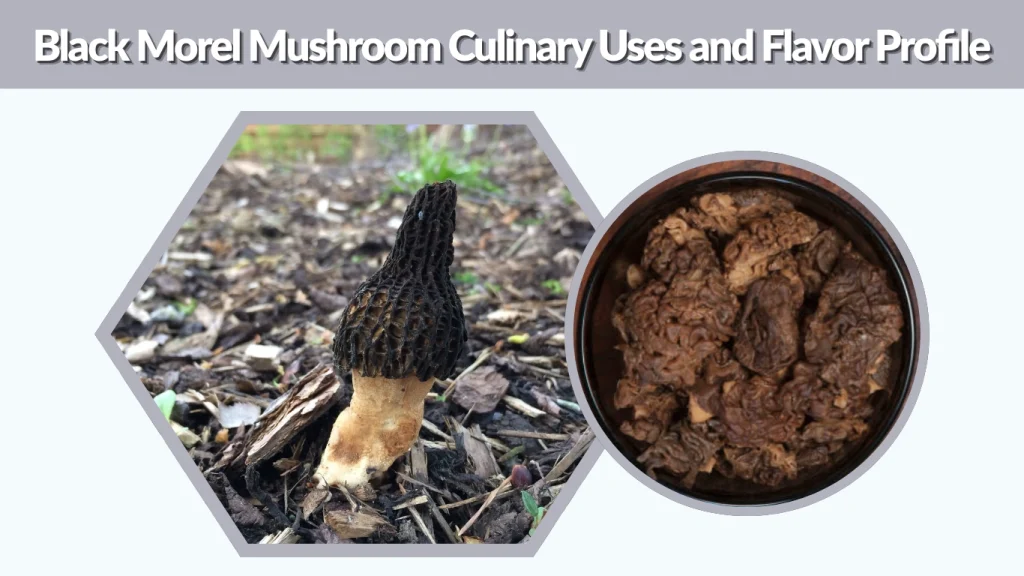
Black morels are renowned for their deep, earthy, and nutty flavor, often described as smoky or meaty. Their porous caps absorb sauces and fats exceptionally well, making them ideal for rich dishes. When cooked, their texture becomes tender yet slightly chewy, adding complexity to meals.
They are commonly sautéed in butter, paired with garlic, shallots, or fresh herbs like thyme and parsley. Black morels shine in risottos, pasta, omelets, cream sauces, and alongside meats such as chicken, veal, or wild game. Because of their strong flavor, they are rarely eaten raw and must always be cooked before consumption.
Foraging and Identification
Foraging black morel mushrooms is a cherished spring tradition in many regions, but it requires knowledge and caution. True morels are edible, but they can be confused with false morels (Gyromitra species), which are toxic. Key identification features of true black morels include a fully hollow interior and caps that are attached directly to the stem.
Experienced foragers stress the importance of proper identification, sustainable harvesting, and respect for local regulations. Harvesting only mature specimens and leaving some behind helps ensure future growth and preserves delicate ecosystems.
Preservation and Storage
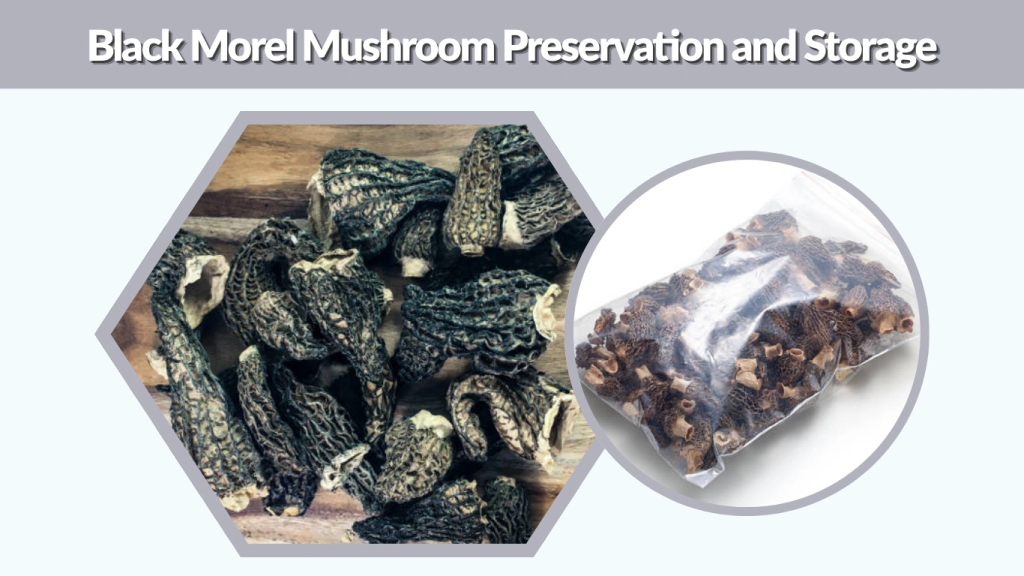
Fresh black morels are highly perishable and should be used soon after harvest. If needed, they can be stored in a paper bag in the refrigerator for a few days. Drying is one of the most popular preservation methods and intensifies their flavor. Dried black morels can last for months or even years when stored properly and can be rehydrated in warm water before use.
Freezing is another option, usually after lightly sautéing them first. This helps maintain texture and flavor while extending shelf life.
Economic and Cultural Significance
Because of their scarcity and demand, black morels can command high prices in local and international markets. In some regions, seasonal morel harvesting provides an important source of income for rural communities. Culturally, morels are often associated with spring renewal, forest lore, and generational knowledge passed down among foragers.
In fine dining, black morels symbolize luxury and craftsmanship, often featured in seasonal tasting menus and gourmet festivals. Their brief availability adds to their mystique and appeal.
FAQs
What makes black morels so expensive?
Black morels are difficult to cultivate reliably and are mostly harvested from the wild. Their short growing season, unpredictable appearance, and high demand from chefs and consumers contribute to their high price.
Are black morel mushrooms safe to eat?
Yes, true black morels are safe and delicious when properly identified and thoroughly cooked. Eating them raw or misidentifying toxic lookalikes can be dangerous.
When is the best time to find black morels?
Black morels usually appear in spring, often between March and May, depending on climate, soil temperature, and rainfall. Burned forest areas can produce especially abundant harvests.
Can black morels be grown at home?
While there have been some successful small-scale cultivation efforts, black morels are notoriously difficult to grow consistently. Most commercially available morels are still wild-harvested.
How do dried black morels compare to fresh ones?
Dried black morels have a more concentrated flavor and are excellent for sauces and soups. When rehydrated, they regain much of their original texture and aroma, making them a versatile pantry ingredient.