
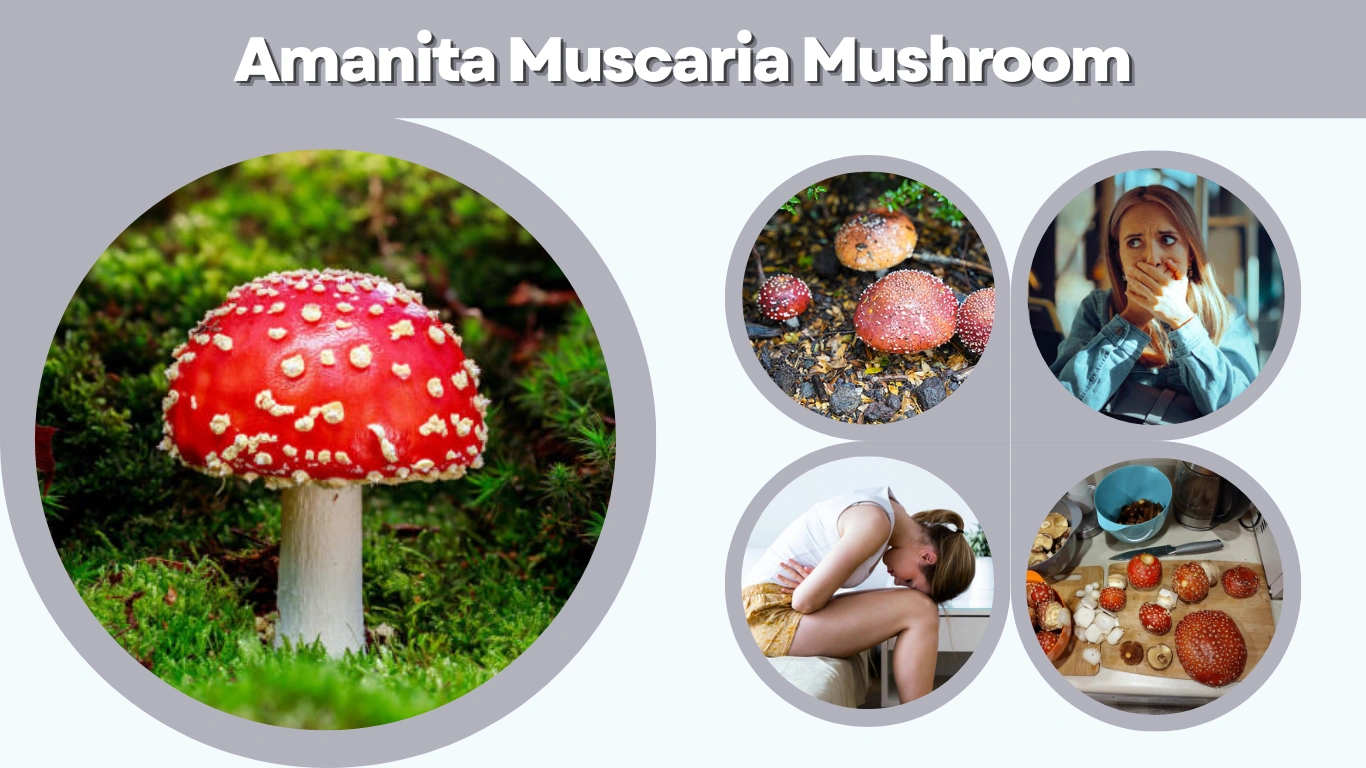
The Amanita muscaria mushroom, commonly known as Fly Agaric, is one of the most recognizable fungi in the world. With its bright red cap and white spots, it appears in fairy tales, holiday imagery, and folklore across cultures. However, beyond its iconic look lies a complex mushroom with unique psychoactive compounds, potential risks, and a long history of traditional use. Understanding how it works, its effects, and its safety considerations is essential before exploring its properties.
What Is Amanita Muscaria?
Amanita muscaria is a psychoactive mushroom species belonging to the Amanitaceae family. Unlike psilocybin mushrooms, which contain psilocybin and psilocin, Amanita muscaria contains different compounds that produce a distinct experience.
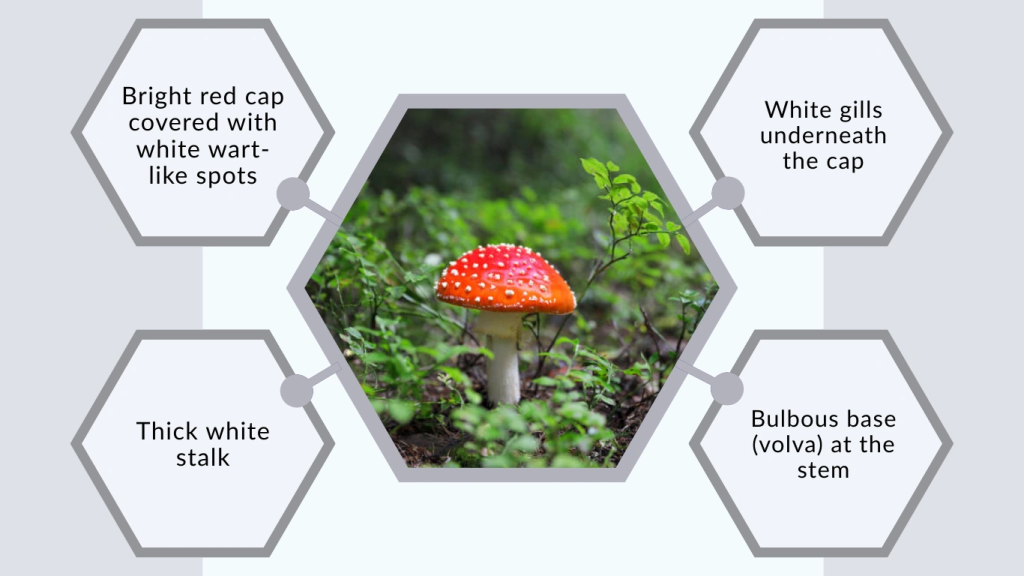
It is easily identified by its:
- Bright red cap covered with white wart-like spots
- White gills underneath the cap
- Thick white stalk
- Bulbous base (volva) at the stem
Although the red-and-white variety is the most famous, Amanita muscaria can also appear in orange or yellow forms depending on region and maturity.
Where It Grows
Amanita muscaria grows naturally in temperate and boreal forests across:
- North America
- Europe
- Northern Asia
It forms a symbiotic relationship with trees such as birch, pine, and spruce, meaning it typically appears near forested areas rather than open fields.
Because of its striking appearance, it is often mistaken for being the classic “magic mushroom.” However, Amanita muscaria is chemically and pharmacologically very different from psilocybin mushrooms.
History and Cultural Significance
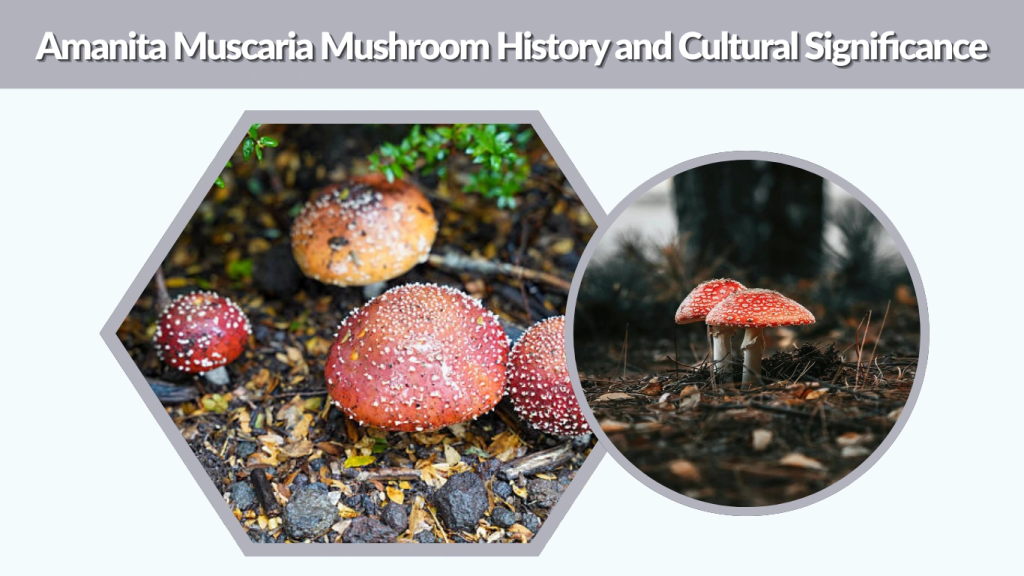
Amanita muscaria has a long and fascinating cultural history that spans centuries.
Siberian Shamanic Traditions
Historical accounts suggest that Siberian shamans used Amanita muscaria in spiritual rituals. It was reportedly consumed to induce altered states of consciousness, visions, and trance-like experiences. These ceremonies were often connected to healing practices and communication with the spiritual world.
Viking Berserker Theory
Some researchers have proposed that Viking “berserkers” may have used Amanita muscaria before battle to induce heightened aggression and altered perception. While debated, this theory contributes to the mushroom’s mystique in European history.
Folklore and Symbolism
The mushroom frequently appears in fairy tales and European folklore. Its bright coloration made it a symbol of magic and mystery. Some theories even connect Amanita muscaria to winter holiday imagery, including red-and-white symbolism associated with Santa Claus traditions, though these claims remain speculative.
Active Compounds in Amanita Muscaria
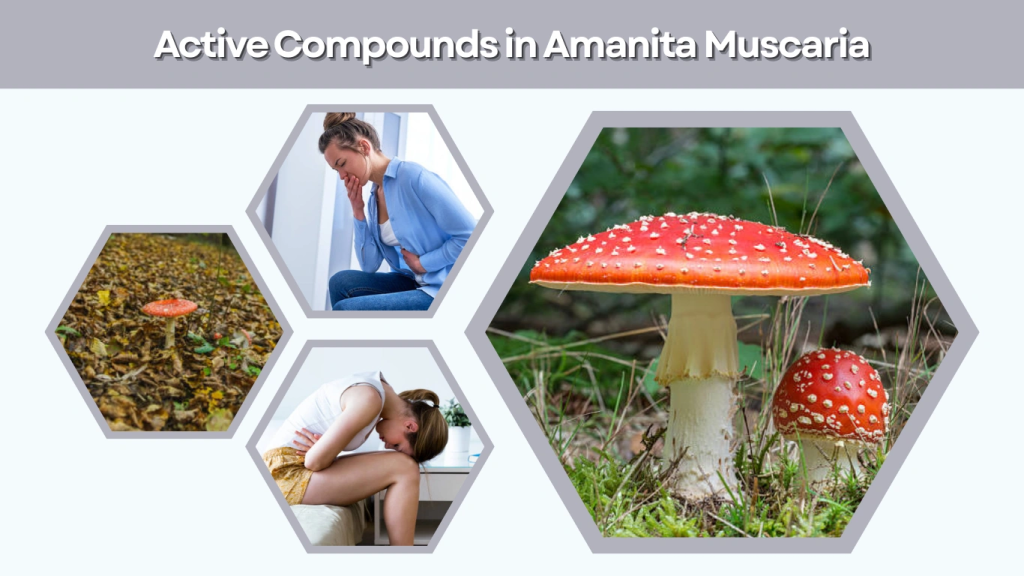
Unlike psychedelic mushrooms that contain psilocybin, Amanita muscaria contains two primary active compounds: ibotenic acid and muscimol.
Ibotenic Acid
Ibotenic acid is found in fresh Amanita muscaria mushrooms. It is considered neurotoxic in higher amounts and is largely responsible for many unpleasant side effects associated with raw consumption.
Potential effects of ibotenic acid include:
- Nausea
- Vomiting
- Confusion
- Physical discomfort
When the mushroom is dried or heated properly, ibotenic acid partially converts into muscimol, which significantly changes the experience.
Muscimol
Muscimol is the primary psychoactive compound in Amanita muscaria. It interacts mainly with GABA-A receptors in the brain, which are responsible for inhibitory signaling. This mechanism differs entirely from psilocybin, which primarily affects serotonin receptors.
Because of its GABA interaction, muscimol often produces:
- Sedation
- Relaxation
- Dreamlike mental states
- Altered sensory perception
The experience is often described as dissociative, hypnotic, or surreal rather than classically psychedelic.
How It Differs from Psilocybin
One of the most important distinctions is pharmacological.
- Psilocybin → serotonin receptor agonist
- Muscimol → GABA receptor agonist
This difference leads to contrasting experiences. Psilocybin often produces visual enhancements, emotional openness, and cognitive expansion. Amanita muscaria, on the other hand, may cause drowsiness, altered motor control, and dreamlike states that can feel disorienting.
Effects of Amanita Muscaria
The effects of Amanita muscaria can vary significantly depending on preparation, dosage, body chemistry, and mushroom potency.
Physical Effects
Common physical sensations may include:
- Relaxation
- Heavy body feeling
- Drowsiness
- Changes in coordination
- Mild to moderate nausea
Improperly prepared mushrooms tend to increase the likelihood of stomach discomfort.
Psychological Effects
The mental effects differ from traditional psychedelics and may include:
- Altered perception of time
- Vivid internal imagery
- Intensified dreams (especially if sleep occurs during onset)
- Euphoria or mood shifts
- Confusion at higher doses
Some users report entering a semi-lucid dream state while awake. Others describe a dissociative or “out-of-body” sensation.
Duration and Onset
Effects typically begin within 30 to 90 minutes after consumption. The peak may last 2 to 4 hours, with total effects ranging from 6 to 8 hours depending on dose and individual sensitivity.
Because the experience can fluctuate between sedation and stimulation, it may feel unpredictable compared to other psychoactive substances.
Is Amanita Muscaria Poisonous?
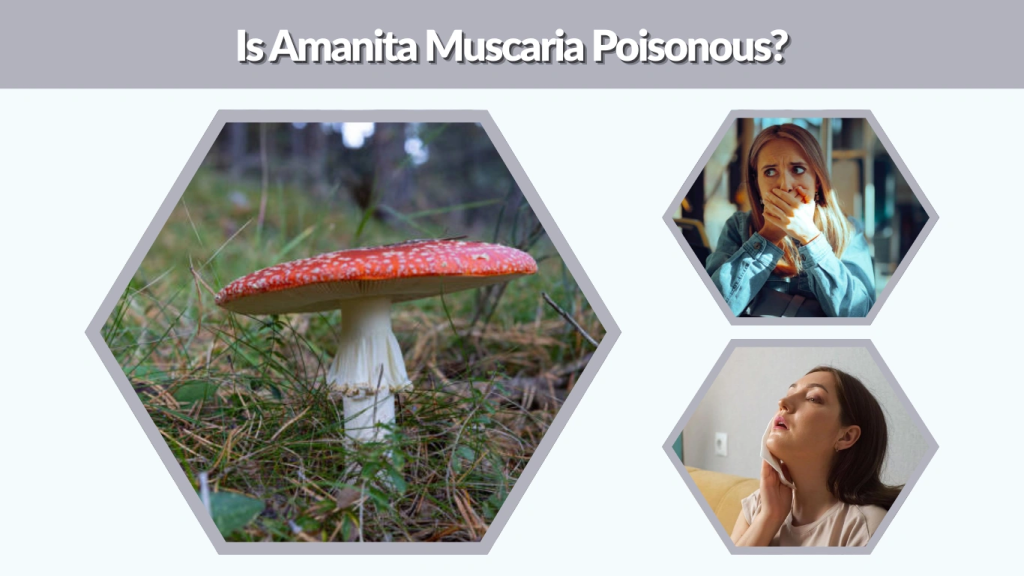
Amanita muscaria is classified as toxic, but it is not generally considered deadly when prepared and consumed in moderate amounts. However, risks do exist.
Eating it raw increases exposure to ibotenic acid, which can cause:
- Severe nausea and vomiting
- Delirium
- Excessive sweating
- Muscle twitching
In rare cases, high doses may result in more serious complications requiring medical attention.
Proper preparation — typically drying or heating to reduce ibotenic acid content — is considered essential by those who choose to consume it.
Anyone experiencing severe symptoms such as persistent vomiting, confusion, or irregular heartbeat should seek medical help immediately.
Potential Benefits and Reported Uses
Although Amanita muscaria has a long history of traditional use, modern scientific research on its benefits remains limited. Most reported advantages are anecdotal and should be approached with caution.
Some commonly reported uses include:
- Relaxation support: Due to muscimol’s interaction with GABA receptors, users often report a calming or sedative effect.
- Sleep enhancement: Some individuals claim improved sleep quality or vivid dreams after consumption.
- Dream intensification: Historical and anecdotal accounts frequently describe enhanced dream states.
- Mood shifts: Low doses are sometimes reported to create mild euphoria or stress reduction.
It is important to emphasize that controlled clinical studies on Amanita muscaria are limited. Anyone considering its use should prioritize safety and consult a healthcare professional, especially if they have underlying medical conditions.
Amanita Muscaria Dosage Considerations
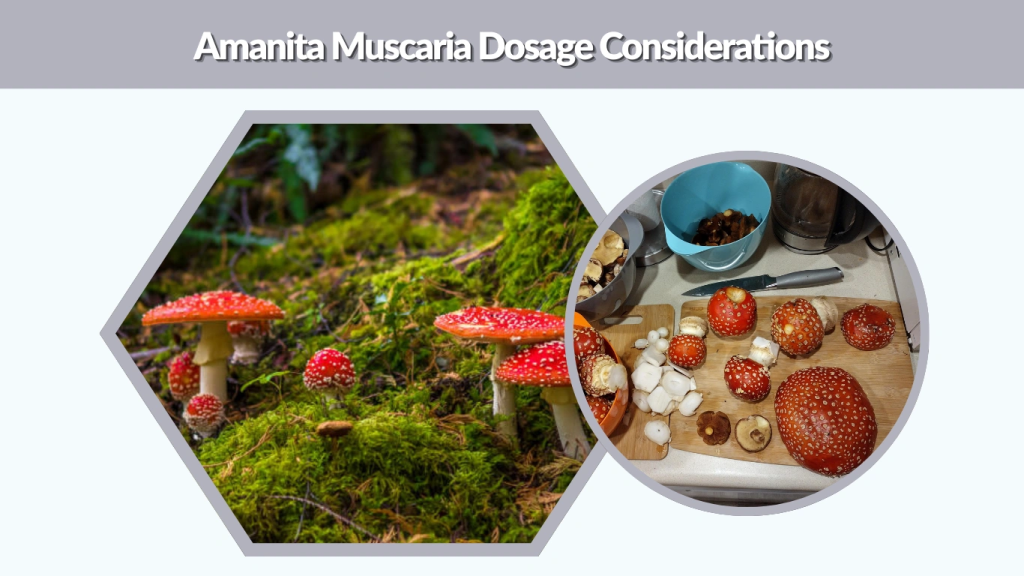
Dosage is one of the most critical factors influencing the experience. Potency can vary significantly depending on region, mushroom age, and preparation method.
Microdosing
Microdosing refers to consuming very small amounts intended to produce subtle effects without strong intoxication.
Reported effects at low doses may include:
- Mild relaxation
- Slight mood elevation
- Subtle body calmness
Because potency varies, even small amounts can feel stronger than expected.
Moderate Doses
At moderate levels, effects may become more pronounced:
- Dreamlike mental states
- Noticeable sedation
- Changes in coordination
- Altered sensory perception
Nausea is more likely at this level if preparation was insufficient.
High Dose Risks
Higher doses significantly increase the risk of:
- Confusion or delirium
- Loss of motor control
- Intense nausea or vomiting
- Disorientation
Individual sensitivity differs widely, making precise dosing difficult. This unpredictability is one of the main safety concerns associated with Amanita muscaria.
How Amanita Muscaria Is Prepared
Proper preparation plays a major role in reducing unwanted side effects.
Drying and Decarboxylation
When Amanita muscaria is dried, ibotenic acid partially converts into muscimol through a process called decarboxylation. This conversion is important because muscimol is generally associated with calmer, more sedative effects, while ibotenic acid is linked to discomfort and toxicity.
Thorough drying is considered essential before consumption.
Tea Preparation
Some individuals prepare Amanita muscaria as a tea. Heat can further assist in converting ibotenic acid into muscimol. However, improper temperature control or preparation methods may not fully reduce risks.
Raw consumption is generally discouraged due to the higher likelihood of nausea and adverse reactions.
Legal Status of Amanita Muscaria
The legal status of Amanita muscaria differs from psilocybin mushrooms in many regions.
In the United States:
- Amanita muscaria is not federally scheduled.
- It is generally legal to possess in most states.
- Some states or local jurisdictions may have restrictions.
In other countries, regulations vary widely. Some nations classify it as a controlled substance, while others allow sale and possession.
Because laws change, it is important to verify local regulations before purchasing, possessing, or using Amanita muscaria products.
Risks, Side Effects, and Who Should Avoid It
Despite its cultural history, Amanita muscaria carries real risks.
Common Side Effects
- Nausea and vomiting
- Dizziness
- Drowsiness
- Sweating
- Muscle twitching
These effects are more common when the mushroom is improperly prepared or consumed in higher amounts.
Mental Health Considerations
Individuals with anxiety disorders, depression, or a history of psychosis may be more vulnerable to adverse psychological effects. The disorienting nature of higher doses can intensify confusion or distress.
Drug Interactions
Because muscimol affects GABA receptors, combining Amanita muscaria with:
- Alcohol
- Benzodiazepines
- Sedatives
may increase the risk of excessive sedation or respiratory depression.
Who Should Avoid It
- Pregnant or breastfeeding individuals
- Children and adolescents
- People with liver or neurological conditions
- Those taking sedative medications
When in doubt, consulting a qualified healthcare provider is strongly recommended.
FAQs
Is Amanita Muscaria psychedelic?
Amanita muscaria is not a classic psychedelic like psilocybin mushrooms. Instead of acting primarily on serotonin receptors, it affects GABA receptors. The experience is often described as sedative, dreamlike, or dissociative rather than visually psychedelic.
Can Amanita Muscaria be deadly?
Fatalities are extremely rare, but high doses can cause severe symptoms requiring medical attention. Proper preparation and cautious dosing are important to reduce risks. Raw or excessive consumption increases the likelihood of adverse reactions.
How long do the effects last?
Effects typically begin within 30 to 90 minutes, peak around 2 to 4 hours, and may last 6 to 8 hours total. Individual metabolism, dosage, and preparation method all influence duration.
Is it the same as magic mushrooms?
No. “Magic mushrooms” contain psilocybin, which works on serotonin receptors. Amanita muscaria contains muscimol and ibotenic acid, producing a different type of experience with different safety considerations.
Is Amanita Muscaria legal in the U.S.?
It is not federally scheduled and is generally legal in most states. However, local regulations may vary, so checking current laws is essential.
Final Thoughts
Amanita muscaria is one of the most visually iconic mushrooms in the world, with a rich cultural history and unique psychoactive profile. However, its effects differ significantly from psilocybin mushrooms, and it carries distinct safety considerations.
Understanding its compounds, preparation methods, potential risks, and legal status is crucial before exploring it. Because potency and individual reactions vary widely, caution and informed decision-making should always come first.