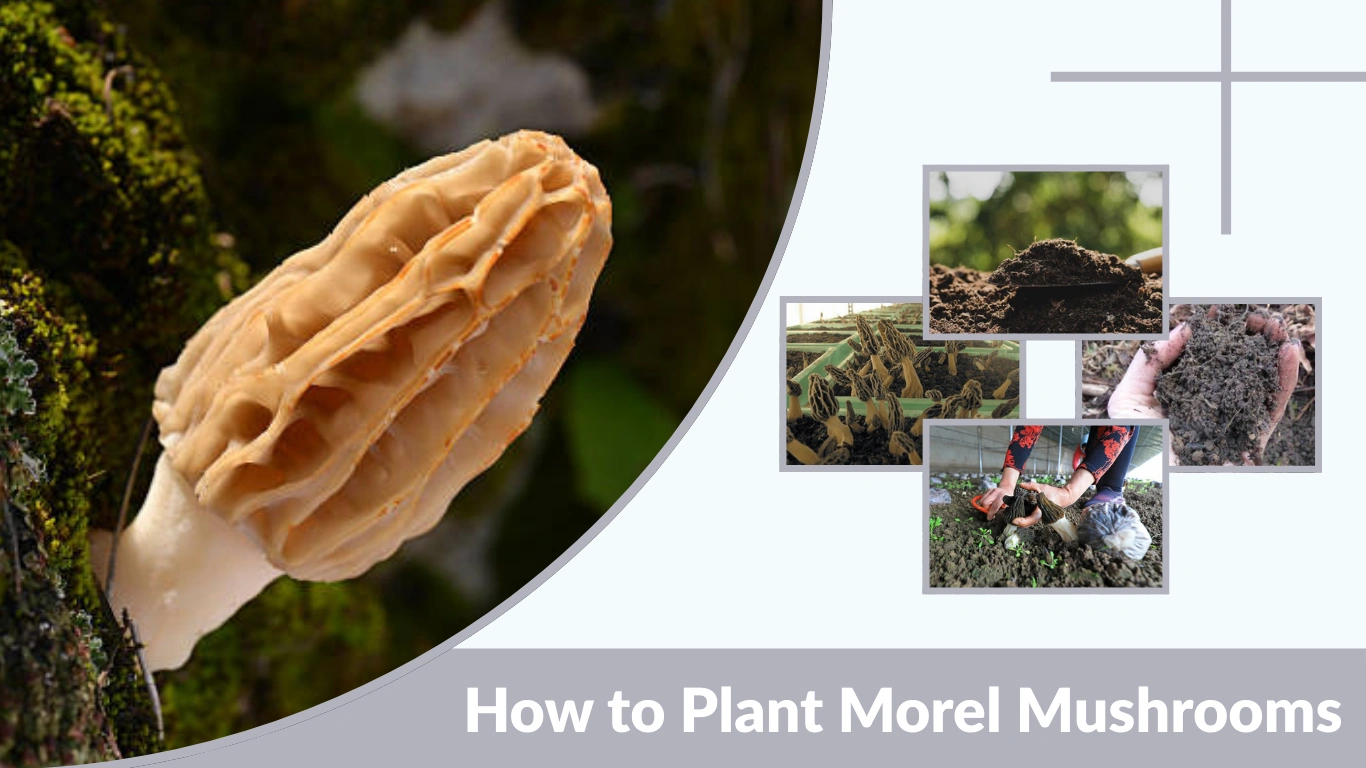
Morel mushrooms are among the most prized wild mushrooms, known for their honeycomb caps, rich earthy flavor, and high market value. Because they appear only for a short time each spring and are difficult to cultivate commercially, many gardeners are curious about whether morels can be planted at home. While planting morel mushrooms isn’t as simple as sowing seeds in soil, it is possible when the right conditions are created.
Planting morels is best approached as a long-term project rather than a guaranteed harvest. With patience, proper site selection, and realistic expectations, home growers can improve their chances of success. This guide explains what it really means to plant morel mushrooms and how to get started the right way.
What Does It Mean to Plant Morel Mushrooms?
Unlike vegetables or flowers, morel mushrooms don’t grow from seeds. Instead, they grow from a network of fungal threads called mycelium that lives underground. When conditions are right, this mycelium produces the mushroom fruiting bodies that we harvest and eat.
Planting morels usually means introducing either morel spawn or spores into suitable soil so the mycelium can establish itself. This process is far more complex than planting traditional garden crops because morels depend on soil microbes, organic matter, and environmental stress to fruit. Simply placing spawn in soil does not guarantee mushrooms will appear.
Understanding this difference helps set realistic expectations and prevents frustration during the early stages of planting.
Can You Really Plant Morel Mushrooms at Home?

Yes, morel mushrooms can be planted at home, but success varies widely. Morels are known for their unpredictable behavior, even in ideal conditions. Many growers successfully establish mycelium underground but see no mushrooms for one or two growing seasons.
Morels evolved to grow in forest environments, often appearing after disturbances such as fires, tree death, or soil disruption. These natural triggers are difficult to replicate exactly, which is why planting morels requires experimentation and patience.
Home gardeners who have the most success tend to mimic natural environments rather than trying to control every variable. Outdoor planting, natural seasonal cycles, and minimal soil disturbance often produce better long-term results.
Best Conditions for Planting Morel Mushrooms
Creating the right environment is the most important factor when planting morel mushrooms. These fungi are highly sensitive to climate, soil quality, and moisture levels.
Climate and Seasonal Requirements
Morels thrive in regions with distinct seasonal changes. They typically fruit in spring after a period of cold followed by warming temperatures. Ideal daytime temperatures range between 55°F and 65°F (13°C–18°C), with cooler nights.
Planting morels in early spring or fall allows the mycelium to establish before fruiting conditions occur. Warm climates with little seasonal variation often see lower success rates.
Soil Requirements
Morel mushrooms prefer loose, well-draining soil rich in organic matter. Sandy or loamy soils work better than heavy clay. Forest-like soil containing decomposing leaves, wood chips, or decaying plant material creates an ideal growing environment.
A neutral to slightly alkaline pH is generally recommended. Good drainage is essential, as waterlogged soil can suffocate the mycelium and prevent growth.
Moisture and Light Needs
Consistent moisture is important, but overwatering can cause problems. The soil should remain damp rather than saturated. Natural rainfall patterns are often better than frequent manual watering.
Morels prefer partial shade or indirect sunlight. Too much direct sun can dry out the soil, while deep shade may reduce the temperature fluctuations needed for fruiting.
Where to Plant Morel Mushrooms

Choosing the right location can greatly improve your chances of success when planting morel mushrooms.
Planting in a Garden Bed
Garden beds with good drainage and partial shade are suitable for planting morels. Beds near the edge of wooded areas or under deciduous trees often perform better. Before planting, remove weeds and loosen the soil to allow the mycelium to spread easily.
Planting Near Trees
Morel mushrooms are often found growing near certain hardwood trees in the wild, which makes planting near trees one of the most effective strategies. Elm, ash, apple, oak, and poplar trees are commonly associated with morels. These trees contribute organic matter to the soil through leaf litter and root systems, creating a favorable environment for mycelium.
When planting near trees, choose areas where the soil remains moist but not compacted. Avoid digging too close to the trunk, as damaging roots can harm both the tree and the growing area. A distance of several feet from the base of the tree is usually ideal.
Indoor Planting Considerations
Planting morel mushrooms indoors is possible but challenging. Indoor environments often lack the complex soil ecosystems and seasonal temperature changes that morels rely on. While temperature and humidity can be controlled, triggering fruiting indoors is unpredictable.
Indoor planting is generally best suited for experienced growers or those experimenting with controlled conditions. Beginners typically have better results planting outdoors and letting natural cycles guide growth.
What You Need to Plant Morel Mushrooms

Successfully planting morel mushrooms requires a few essential materials. Choosing the right method and supplies can significantly affect your results.
Morel Mushroom Spawn
Morel spawn contains active mycelium and is the most reliable option for planting. It is usually sold on grain or wood-based substrates and can be mixed directly into prepared soil. Spawn gives the mycelium a head start and increases the chances of successful colonization.
Morel Mushroom Spores
Spores are typically used in a spore slurry made from mature morel mushrooms mixed with water and nutrients. While inexpensive, this method is less predictable. Spores must first germinate and compete with other organisms in the soil before establishing mycelium.
Basic Tools and Materials
Most planting projects require only basic tools such as a garden trowel, watering can, and mulch or leaf litter. Optional materials include compost, hardwood ash, or wood chips to enrich the soil and mimic forest-floor conditions.
Step-by-Step Guide to Planting Morel Mushrooms

Step 1 – Choose and Prepare the Site
Select a planting area with partial shade, good drainage, and minimal foot traffic. Clear weeds and loosen the top few inches of soil. Adding compost or decaying leaves can help improve soil structure.
Step 2 – Prepare the Soil
Mix organic material evenly into the soil. Avoid compacting the soil, as loose soil allows mycelium to spread more easily. The goal is to create a natural, forest-like environment.
Step 3 – Plant the Spawn or Spores
Spread morel spawn evenly across the prepared area and lightly cover it with soil or leaf litter. If using spores, pour the slurry over the soil and allow it to absorb naturally. Do not bury spawn too deeply.
Step 4 – Water and Protect the Area
Water gently after planting to settle the soil. Keep the area moist but not soaked. Avoid disturbing the planting site, as digging or walking over it can disrupt mycelium development.
When to Plant Morel Mushrooms
The best time to plant morel mushrooms is in early spring or fall. Cooler temperatures allow mycelium to establish without drying out. In colder regions, fall planting allows the mycelium to experience winter conditions that may help trigger fruiting in spring.
Timing varies by region, so observing local weather patterns is often more effective than following a strict calendar.
How Long Do Planted Morel Mushrooms Take to Grow?
Planted morel mushrooms may take several months to multiple years to produce mushrooms. Some growers see results within the first year, while others wait two or more seasons. Environmental conditions and soil quality play a major role in timing.
Because morels often fruit unpredictably, patience is essential.
Common Mistakes When Planting Morel Mushrooms
Poor drainage, planting at the wrong time, and overwatering are common causes of failure. Disturbing the soil after planting can also prevent mycelium from spreading properly. Allowing natural processes to occur often leads to better results than over-managing the site.
Tips to Improve Your Success Rate
Using multiple planting sites increases the likelihood of success. Mimicking natural forest floors, avoiding chemicals, and keeping notes on soil and weather conditions can help identify what works best in your environment.
Harvesting Morel Mushrooms
Harvest morels when they are firm and fully developed. Cut them at the base rather than pulling them out to avoid damaging the mycelium. Always cook morels before eating, as raw morels can be toxic.
Is Planting Morel Mushrooms Worth It?
Planting morel mushrooms is best suited for patient gardeners who enjoy experimentation. While results are never guaranteed, harvesting homegrown morels can be incredibly rewarding. For those seeking consistent yields, foraging or purchasing morels may be a better option.
Conclusion
Planting morel mushrooms at home requires patience, preparation, and a willingness to let nature take the lead. By choosing the right site, using proper planting methods, and maintaining realistic expectations, you can greatly improve your chances of success. Even when results take time, the experience itself offers valuable insight into the fascinating world of fungi.