Morel mushrooms are one of the most sought-after wild mushrooms in the world, prized for their rich, earthy flavor and unique honeycomb appearance. Because they are difficult to cultivate commercially, fresh morels often sell for high prices and are usually found only during short seasonal windows. This rarity has led many gardeners and mushroom enthusiasts to wonder whether it’s possible to grow morel mushrooms at home.
While growing morels isn’t as straightforward as cultivating common mushrooms like oyster or shiitake, it is possible with patience, the right conditions, and realistic expectations. This guide walks you through what morel mushrooms are, whether they can truly be grown at home, and the best conditions and methods to improve your chances of success.
What Are Morel Mushrooms?
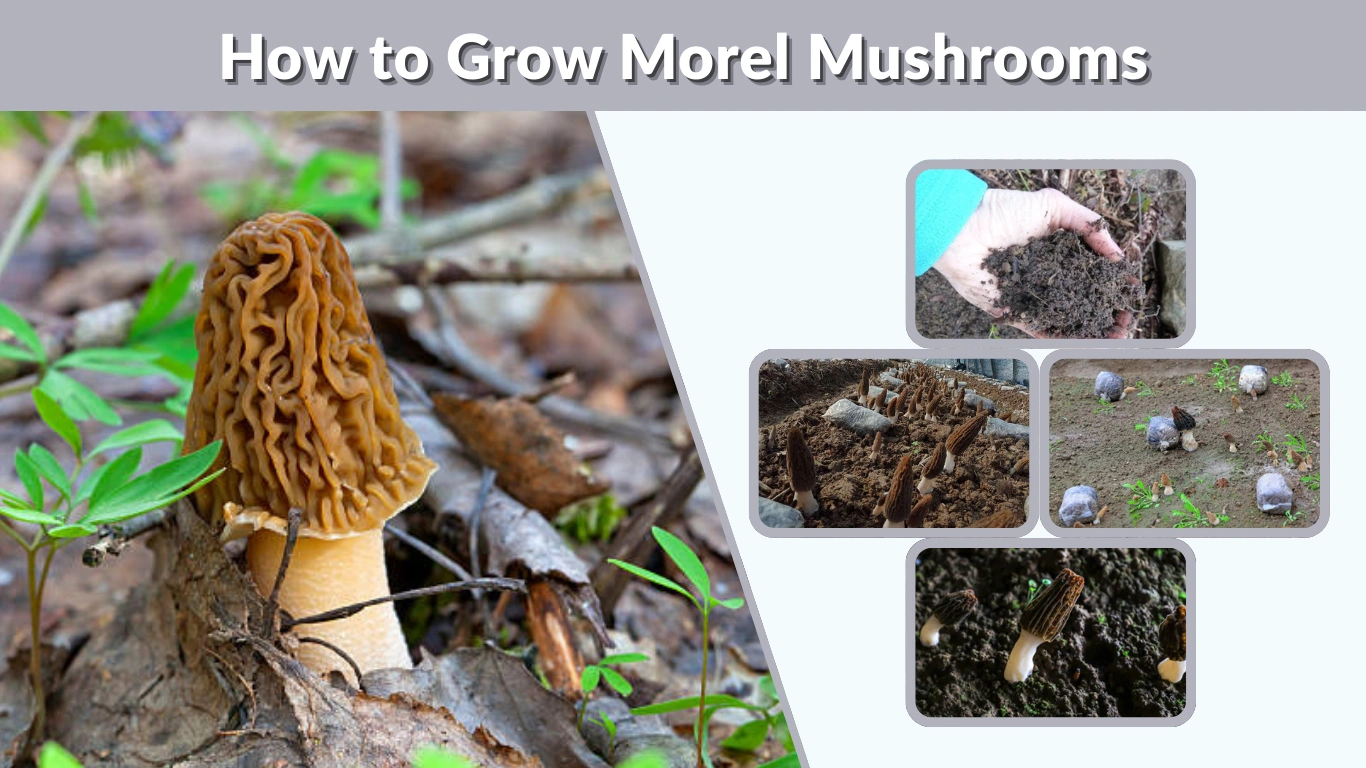
Morel mushrooms belong to the genus Morchella and are easily recognized by their cone-shaped caps covered in deep ridges and pits. Unlike many cultivated mushrooms, morels grow primarily in the wild, often appearing in forests during spring after temperature and moisture conditions align just right.
Culinarily, morels are highly valued for their nutty, meaty flavor and firm texture. They are commonly sautéed, stuffed, or added to sauces and risottos. Due to their short growing season and limited supply, fresh morels can be expensive, which further increases interest in home cultivation.
One important distinction to understand is the difference between wild morels and cultivated attempts. Wild morels form complex relationships with soil microbes and trees, which is one of the reasons they are so difficult to grow under controlled conditions.
Can You Really Grow Morel Mushrooms at Home?
The short answer is yes—but with caveats. Morel mushrooms have been successfully grown by home growers, researchers, and commercial operations, but results are often inconsistent. Unlike many mushrooms that grow predictably on logs or substrate blocks, morels rely on a combination of soil chemistry, microbial activity, temperature changes, and seasonal stress to trigger fruiting.
Many first-time growers inoculate an area with morel spawn or spores and see no mushrooms for one or even two years. This doesn’t mean the attempt failed; morels often take time to establish themselves underground before producing visible mushrooms.
It’s important to approach morel cultivation as a long-term experiment rather than a guaranteed harvest. Success rates improve when growers focus on mimicking natural environments instead of forcing growth through artificial methods.
Best Conditions for Growing Morel Mushrooms

Creating the right environment is the most important factor when trying to grow morel mushrooms. These fungi are sensitive to changes in temperature, moisture, and soil composition.
Climate and Temperature Requirements
Morels are cool-season mushrooms that typically fruit in spring. Ideal daytime temperatures range between 55°F and 65°F (13°C–18°C), with cooler nights. Sudden shifts from cold to mild temperatures often help trigger fruiting.
Regions with distinct seasonal changes tend to have better success than consistently warm climates. In many cases, winter cold followed by spring warming is essential for morel development.
Soil and Growing Medium
Morels prefer well-draining soil rich in organic matter. Sandy or loamy soils work better than heavy clay. The soil should contain decomposing leaves, wood ash, or decaying plant material, which mimics forest floor conditions.
A slightly alkaline to neutral pH is often recommended, though morels can tolerate some variation. Good drainage is critical, as waterlogged soil can prevent mycelium from spreading properly.
Moisture and Light Needs
Consistent moisture is important, but overwatering can be harmful. Soil should remain damp, not soaked. Natural rainfall patterns are often more effective than frequent manual watering.
Morels generally prefer indirect light or partial shade. Full sun can dry out the soil too quickly, while deep shade may reduce temperature fluctuations needed for fruiting.
Methods for Growing Morel Mushrooms

There are several approaches to growing morel mushrooms, each with its own challenges and success rates.
Growing Morels Outdoors
Outdoor cultivation is the most common and often the most successful method. This typically involves preparing a garden bed or woodland area and inoculating it with morel spawn or a spore slurry. Locations near hardwood trees, such as elm, ash, or apple trees, are often recommended.
Outdoor beds benefit from natural seasonal cycles, rainfall, and soil microbes that morels rely on to thrive.
Growing Morels Indoors
Indoor growing is much more difficult and less predictable. While controlled environments can manage temperature and humidity, they often lack the complex soil ecosystem that morels need. Indoor methods are usually attempted by experienced growers and are not recommended for beginners.
Morel Spawn vs Spores
When growing morel mushrooms, growers usually choose between using spawn or spores. Morel spawn consists of established mycelium that has already begun growing on a substrate such as grain or wood chips. This option generally offers better chances of success because the fungus is already active and ready to colonize the soil.
Spore methods involve creating a spore slurry using mature morel mushrooms mixed with water and nutrients. While this method is inexpensive and popular among hobbyists, it is less reliable. Spores must first germinate, compete with other microorganisms, and successfully establish mycelium before fruiting can occur. For beginners, spawn is usually the better choice.
Step-by-Step Guide to Growing Morel Mushrooms

Step 1 – Choose and Prepare the Site
Select an outdoor area with partial shade and well-draining soil. Garden beds near hardwood trees or areas that receive natural leaf litter work well. Clear away weeds and loosen the soil to a depth of several inches. Mixing in compost, leaf mold, or small amounts of wood ash can help replicate forest-floor conditions.
Step 2 – Inoculate with Spawn or Spores
The best time to inoculate is in early spring or fall when temperatures are mild. Spread morel spawn evenly across the prepared soil and lightly cover it with soil or leaf litter. If using spores, pour the slurry over the growing area and allow it to soak in naturally.
Avoid compacting the soil, as this can restrict mycelium growth. Water gently after inoculation to help settle the material.
Step 3 – Maintain Proper Growing Conditions
Keep the soil consistently moist but never waterlogged. Natural rainfall is ideal, but supplemental watering may be necessary during dry periods. Avoid using chemical fertilizers or pesticides, as these can harm beneficial soil organisms that morels depend on.
Allow seasonal changes to occur naturally. Morels often require winter cold followed by spring warming to trigger fruiting.
Step 4 – Monitor Growth and Be Patient
In most cases, you won’t see mushrooms right away. Morels may take one to two years to establish underground before producing fruit. Signs of success include healthy soil structure and the absence of competing molds.
Patience is essential. Many successful growers report sudden, unexpected fruiting after long periods of apparent inactivity.
How Long Do Morel Mushrooms Take to Grow?
From inoculation to harvest, morel mushrooms typically take several months to multiple years. Some growers see mushrooms in the first spring after inoculation, while others wait two or more seasons. Factors such as climate, soil quality, and moisture levels play a major role in timing.
Because morels rely on environmental stress to fruit, consistent conditions don’t always lead to immediate results. This unpredictability is one of the defining challenges of growing morels.
Common Problems When Growing Morels

Why Morels Fail to Fruit
The most common reason morels fail to fruit is unsuitable environmental conditions. Poor drainage, lack of temperature variation, or incorrect soil composition can prevent mushrooms from forming even if mycelium is present.
Pests, Mold, and Contamination
Competing fungi and molds can overwhelm morel mycelium, especially in overly wet conditions. Slugs, insects, and rodents may also damage emerging mushrooms. Maintaining balanced moisture and avoiding disturbed soil can reduce these risks.
Tips to Increase Your Chances of Success
Using multiple growing sites increases the likelihood of success. Mimicking natural forest environments, maintaining organic matter, and keeping records of weather and soil conditions can also help identify what works best in your area. Avoid over-managing the growing space and let nature play its role.
Harvesting and Using Morel Mushrooms
Harvest morels when they are fully developed but still firm. Cut them at the base with a knife to avoid disturbing the soil. Morels should be cleaned thoroughly and always cooked before eating, as raw morels can be toxic.
Fresh morels can be refrigerated briefly or dried for long-term storage. Their rich flavor pairs well with butter, cream-based sauces, and simple dishes that highlight their texture.
Is Growing Morel Mushrooms Worth It?
Growing morel mushrooms requires patience, experimentation, and a willingness to accept uncertain results. For hobbyists and gardeners who enjoy long-term projects, the reward of harvesting homegrown morels can be incredibly satisfying. For those seeking guaranteed yields, foraging or purchasing morels may be a better option.
Conclusion
Growing morel mushrooms at home is a challenging but rewarding endeavor. By understanding their natural environment, choosing the right methods, and remaining patient, you can significantly improve your chances of success. While results are never guaranteed, the experience itself offers valuable insight into one of nature’s most fascinating fungi.