Morel mushrooms are among the most prized wild mushrooms in the world, loved for their rich, earthy flavor and short spring growing season. But alongside true morels grow several look-alike mushrooms that can be dangerous if misidentified. For beginners, telling the difference can feel intimidating. This step-by-step guide breaks down how to identify morel mushrooms safely and confidently by focusing on clear physical traits, simple tests, and key warning signs. By the end, you’ll know exactly what to look for—and what to avoid—before ever thinking about eating a wild mushroom.
What Are Morel Mushrooms?
Morels are wild edible mushrooms belonging to the Morchella genus. Unlike grocery-store mushrooms, true morels are rarely cultivated successfully and are most often foraged in the wild. They appear for a brief window in spring, making them both scarce and highly sought after by mushroom hunters.
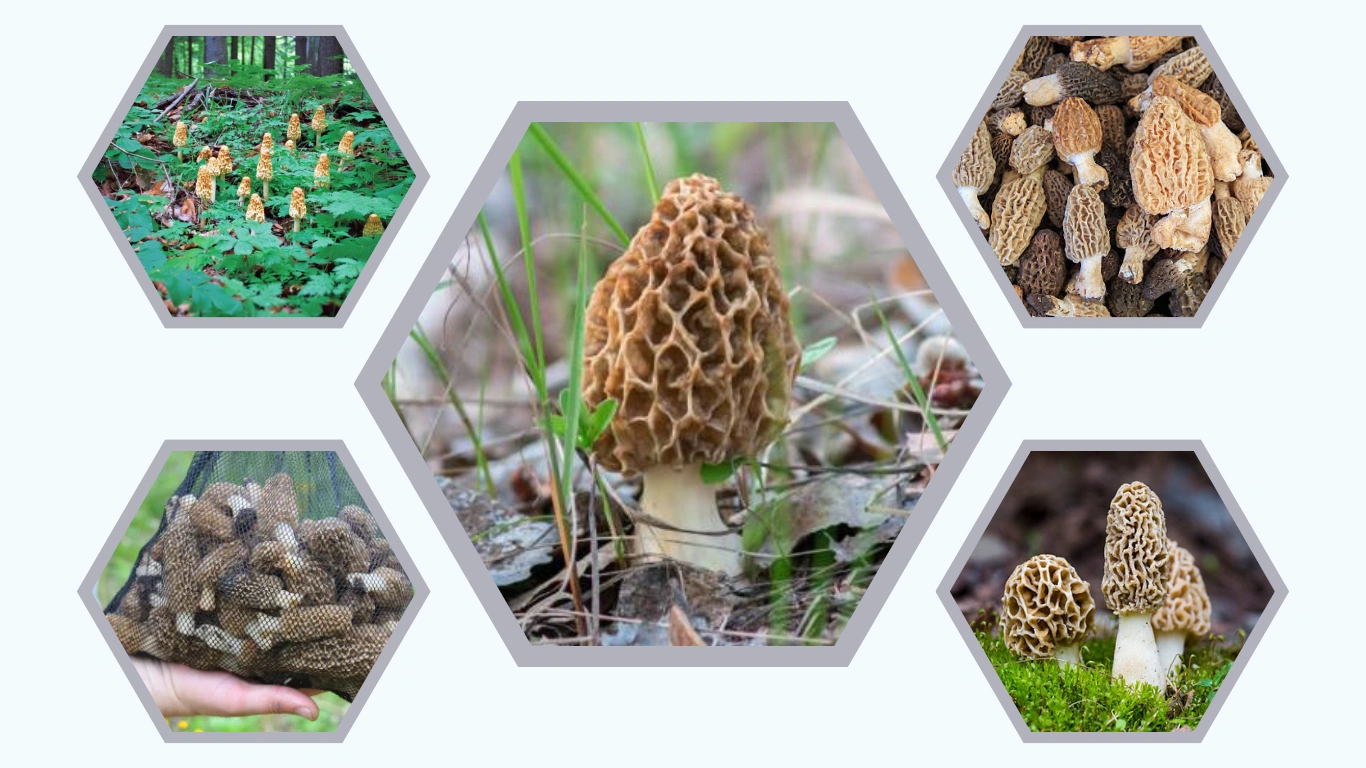
True morels have a distinctive honeycomb-like cap made of pits and ridges, sitting atop a pale stem. While they may vary in size, shape, and color, they share several structural features that make identification possible—even for beginners—when done carefully.
Why Morels Are So Popular
Morels are prized for their deep, nutty flavor and meaty texture, especially when sautéed or added to sauces. Their limited availability and connection to seasonal foraging traditions have also made them something of a culinary treasure. However, popularity should never outweigh safety, which is why accurate identification is essential.
Why Correct Identification Is Critical
Mushroom foraging comes with real risks. Several mushrooms resemble morels at first glance but contain toxins that can cause serious illness. Some false morels are even potentially fatal if eaten.
Correct identification isn’t about recognizing just one feature—it’s about confirming multiple traits together. No single test is enough on its own, which is why experienced foragers rely on a step-by-step approach rather than assumptions.
True Morels vs False Morels (Overview)
True morels (Morchella) are edible when properly cooked. False morels, commonly from the Gyromitra and Verpa genera, may look similar from a distance but differ in structure, texture, and internal makeup. Learning these differences is the key to foraging safely.
Key Features of a True Morel Mushroom

Before moving into the step-by-step process, it helps to understand the core features that define a true morel. These traits appear consistently across all edible morel species.
Cap Shape and Texture
The most recognizable feature of a morel is its cap. True morels have a honeycomb pattern made of deep pits separated by raised ridges. These pits look like holes pressed into the surface, not wrinkles or folds.
False morels often have caps that look wavy, lobed, or brain-like rather than pitted. If the surface appears irregular or folded instead of structured, that’s a warning sign.
Cap Color Variations
Morels can range in color from pale yellow and tan to gray, brown, or nearly black. Color varies depending on species, age, weather, and location. Because of this variation, color should never be used as the main identification feature.
Stem Characteristics
True morels have a light-colored stem that blends naturally into the cap. The stem is usually smooth or slightly grainy and feels sturdy rather than fragile. In most cases, the cap attaches directly to the stem at its base.
Step-by-Step Guide to Identifying Morel Mushrooms

Step 1 – Examine the Overall Shape
Start by looking at the mushroom’s silhouette. True morels typically have a cone-shaped or oval cap that sits upright on the stem. The mushroom should look balanced and naturally formed rather than misshapen or collapsed.
If the cap looks floppy, uneven, or overly lobed, proceed with caution.
Step 2 – Inspect the Cap Surface Closely
Next, examine the texture of the cap. True morels have distinct pits and ridges, forming a consistent honeycomb pattern across the surface. Dirt and debris can sometimes hide these details, so gently brushing the cap may help reveal the structure.
Avoid mushrooms with caps that look wrinkled, folded, or brain-like instead of pitted.
Step 3 – Check How the Cap Attaches to the Stem
One of the most important identification steps is checking cap attachment. In true morels, the cap is attached directly to the stem at the bottom edge. It does not hang freely.
If the cap hangs like a skirt or is only attached at the very top, it is likely a look-alike rather than a true morel.
Step 4 – Slice the Mushroom Lengthwise
Carefully cut the mushroom from tip to base, straight down the middle. A true morel will be completely hollow from the top of the cap through the stem. There should be one continuous hollow chamber with no cottony filling or internal partitions.
If the inside is partially solid, chambered, or stuffed with fibrous material, do not eat it.
Step 5 – Look for Red Flags
Even if a mushroom passes the first few checks, it’s important to actively look for warning signs before considering it a true morel. Any single red flag is enough to discard the mushroom.
One of the most common warning signs is a cottony or fibrous interior instead of a clean, hollow center. Another is multiple internal chambers rather than one continuous hollow space. These traits are common in false morels.
Also pay attention to the mushroom’s texture. True morels feel sturdy and flexible, not brittle or fragile. Strong chemical or unpleasant odors are another signal that something is wrong. When in doubt, leave the mushroom behind.
Common Morel Look-Alikes to Avoid

Several mushrooms resemble morels at a glance, especially to beginners. Learning how these look-alikes differ is essential for safe foraging.
Gyromitra (False Morels)
Gyromitra species are often called false morels and are among the most dangerous look-alikes. Their caps tend to look brain-like or wrinkled, rather than pitted. Instead of neat honeycomb structures, the surface appears folded and irregular.
When sliced open, Gyromitra mushrooms are not fully hollow. They often contain cottony tissue or several chambers. Many species contain toxins that can cause severe illness, even after cooking. Because of this risk, they should always be avoided.
Verpa (Early Morels or Thimblecaps)
Verpa mushrooms commonly appear earlier in spring and are another frequent source of confusion. While their caps may look somewhat similar to morels from a distance, they differ in one key way: the cap hangs freely from the stem, attaching only at the very top.
When cut open, Verpa mushrooms may be partially hollow, but they do not form the single, clean hollow chamber seen in true morels. This free-hanging cap is a strong indicator that the mushroom is not a true morel.
Quick Comparison: True Morels vs Look-Alikes
True morels have a pitted honeycomb cap, a cap attached to the stem, and a fully hollow interior. False morels and Verpa mushrooms typically show wrinkled or folded caps, loose attachment, or internal structures that are not completely hollow. Using all three traits together greatly reduces the risk of misidentification.
Where and When Morels Typically Grow

Habitat and timing alone cannot confirm a mushroom’s identity, but they can support your identification when physical traits match.
Common Growing Environments
Morels are often found in hardwood forests, along riverbanks, on hillsides, and in old orchards. They may grow singly or in small clusters and often blend in with leaf litter, making them easy to miss.
Tree Associations
Morels are commonly associated with trees such as elm, ash, poplar, and apple. In some areas, they also appear in recently disturbed or burned landscapes. These associations vary by region, so they should be treated as clues rather than rules.
Morel Season Timing
Morels typically emerge in spring when daytime temperatures warm and the soil stays moist. The season is short, often lasting only a few weeks in any given area. Timing varies widely depending on climate and elevation.
How to Harvest and Handle Morels Safely

Proper handling is part of safe mushroom foraging.
Harvesting Techniques
Many foragers cut morels at the base of the stem to reduce disturbance to the ground. Using a mesh bag helps spread spores as you walk, supporting future growth.
Cleaning Morel Mushrooms
Morels often contain dirt and insects inside their hollow caps. Gently brushing them is usually enough. If rinsing is necessary, do it quickly and dry them thoroughly. Avoid soaking for long periods, as morels absorb water easily.
Storage Tips
Fresh morels have a short shelf life. Store them in a paper bag in the refrigerator and use them within a few days for best quality.
Cooking and Consumption Safety
Even correctly identified morels should never be eaten raw. Raw morels contain compounds that can cause digestive upset.
Always cook morels thoroughly, especially if you are eating them for the first time. Start with a small portion to ensure you don’t have an individual sensitivity.
Common Beginner Mistakes When Identifying Morels
- Relying on color alone
- Skipping the lengthwise cut test
- Assuming habitat guarantees safety
- Mixing unidentified mushrooms together
- Eating undercooked morels
Conclusion
Identifying morel mushrooms safely comes down to three non-negotiable rules: a pitted honeycomb cap, a cap attached to the stem, and a completely hollow interior when sliced lengthwise. When all three are present—and no red flags appear—you can be confident in your identification. If any doubt remains, the safest choice is always to leave the mushroom behind. Careful observation, patience, and respect for nature are the foundation of responsible mushroom foraging.
FAQs
Are all true morel mushrooms hollow?
Yes, all true morels are completely hollow from the tip of the cap through the base of the stem when cut lengthwise. This single, uninterrupted hollow chamber is one of the most reliable identification features. If a mushroom has cottony material, multiple chambers, or any solid interior, it should not be considered a true morel.
Can false morels be dangerous to eat?
Yes, some false morels can be very dangerous. Certain species contain toxins that may cause serious illness or even be fatal, especially if eaten raw or undercooked. Because false morels closely resemble true morels, they should always be avoided unless identified with absolute certainty by an expert.
Can I identify morel mushrooms without cutting them open?
Cutting the mushroom open is strongly recommended, especially for beginners. While experienced foragers may recognize morels by sight, the lengthwise cut is the safest way to confirm a fully hollow interior. Skipping this step increases the risk of confusing morels with toxic look-alikes.
When is morel mushroom season?
Morel season typically occurs in spring, but the exact timing depends on climate, elevation, and local weather conditions. In many regions, morels begin to appear when daytime temperatures warm and the soil stays moist. The season is short and often lasts only a few weeks.
Should morel mushrooms be soaked before cooking?
Soaking morels is not always necessary and should be done cautiously. A brief rinse or short soak can help remove dirt and insects, but long soaking can cause morels to absorb too much water and lose flavor. If soaking is needed, keep it short and dry the mushrooms well before cooking.